

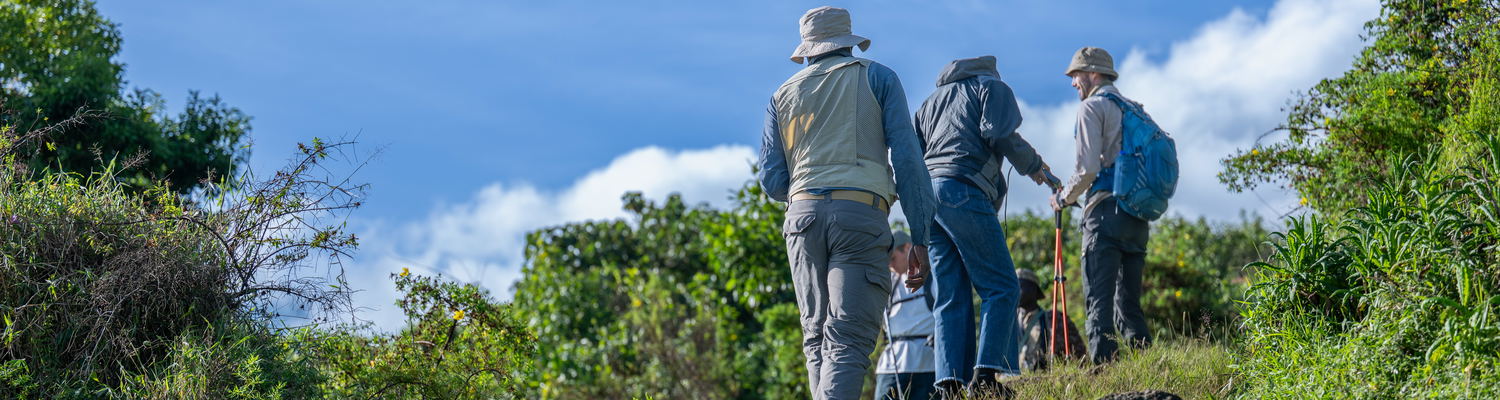
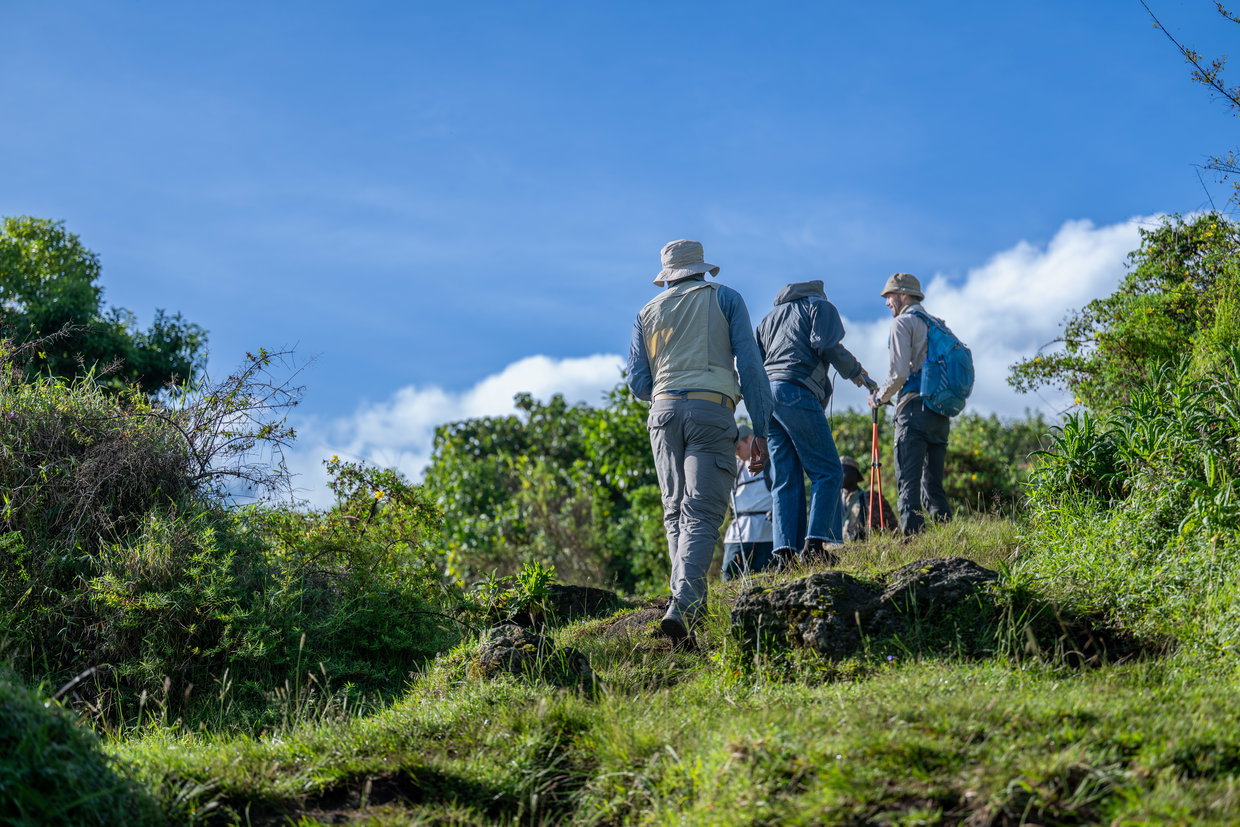
Uganda is one of the most experienced countries in the world at managing Ebola, and has successfully contained every outbreak it has ever faced. The two recent cases in Kampala were caught quickly, are being managed, and are not connected to any safari destination. The parks, the gorillas, the chimpanzees, and everything you came for are completely unaffected. Uganda's health authorities responded within hours and the country has strong, practiced systems for...
Uganda Safari 2026: The Complete Guide to Planning an Unforgettable African Adventure
Posted on Wed May 13, 2026.
If you are reading this, you are already closer to the trip of your lifetime than you think. Uganda is not a compromise safari destination. It is the destination, and 2026 is the perfect year to go.
Every year, travellers ask us the same question: "Uganda or Kenya? Uganda or Tanzania?" And every year, our answer is the same. Uganda is not an either/or. It is an entirely different category of safari, one where you sit metres from mountain gorillas in ancient rainforest, watch elephant herds flood a delta at golden hour, and end the day beside a fire listening to a guide whose grandfather once fished the same river you spent the afternoon photographing.
This guide will walk you through everything you need to plan your 2026 Uganda safari: the best parks, the best experiences, the best times to visit, what to budget, and how to avoid the mistakes most travellers make when booking from abroad. And yes, we will tell you exactly how to book with us at Pilama Safaris, because we believe the right operator is the single biggest factor in whether your safari becomes a memory you carry for life or a holiday you forget within a year.
Why Uganda in 2026? The Case for East Africa's Hidden Crown
Uganda is often called the Pearl of Africa, a name Winston Churchill coined after visiting in 1907, and one the country has spent the following century quietly earning. While the Serengeti dominates safari conversation and the Maasai Mara fills travel magazines, Uganda has been building something arguably more valuable: depth.
In 2026, two significant factors make Uganda the most compelling safari destination on the continent.
1. Mountain Gorilla Permits Are Still Available
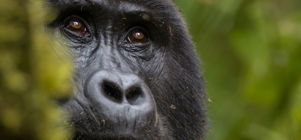
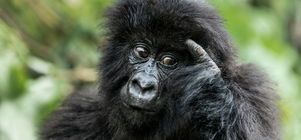
With only around 1,000 mountain gorillas left on earth, all living in the Virunga massif and Bwindi Impenetrable National Park, a permit to trek them is one of the most sought-after wildlife experiences in the world. Uganda currently offers gorilla trekking permits at USD 800 per person, significantly more affordable than Rwanda's USD 1,500, while providing access to the same gorilla families in equally stunning forest.
The global recovery of mountain gorilla populations is a conservation success story, but that also means demand for permits is rising every year. If gorilla trekking is on your list, the window to secure a permit without a very long wait or a very high price is now.
2. Uganda Offers Diversity No Other Destination Can Match
On a single Uganda safari, you can trek mountain gorillas in Bwindi, track chimpanzees in Kibale Forest, watch the Big Five roam Queen Elizabeth National Park, stand on the edge of Murchison Falls as the Nile compresses through a seven-metre gorge, and spend a quiet morning canoeing Lake Bunyonyi. No other country in East Africa packs this range into one itinerary.
 The Top Uganda Safari Experiences in 2026
Gorilla Trekking in Bwindi Impenetrable Forest
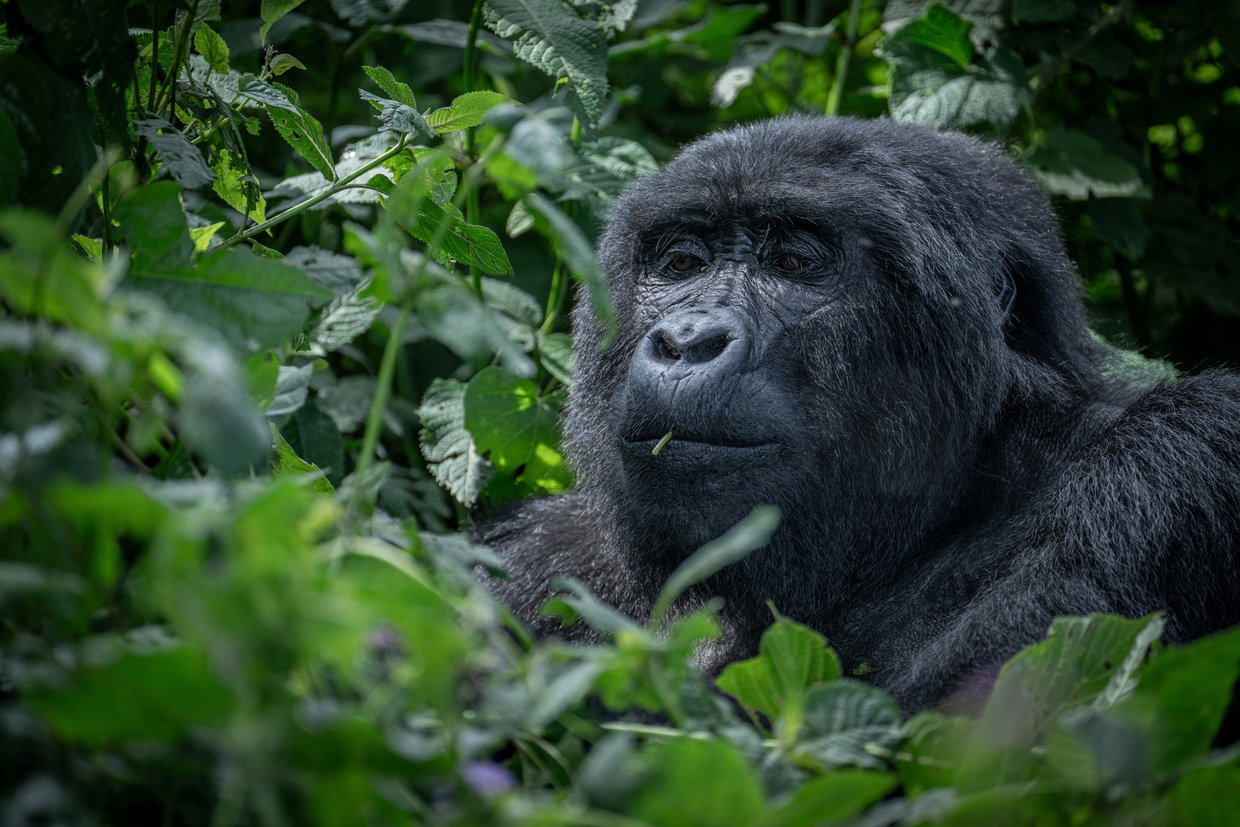
Bwindi is Uganda's most famous destination, and it earns every superlative. The forest itself, a UNESCO World Heritage Site and one of Africa's oldest, covers 331 square kilometres of steep, misty terrain. Your trek can take anywhere from two to eight hours depending on where your habituated gorilla family has moved overnight. When you find them, you have one hour.
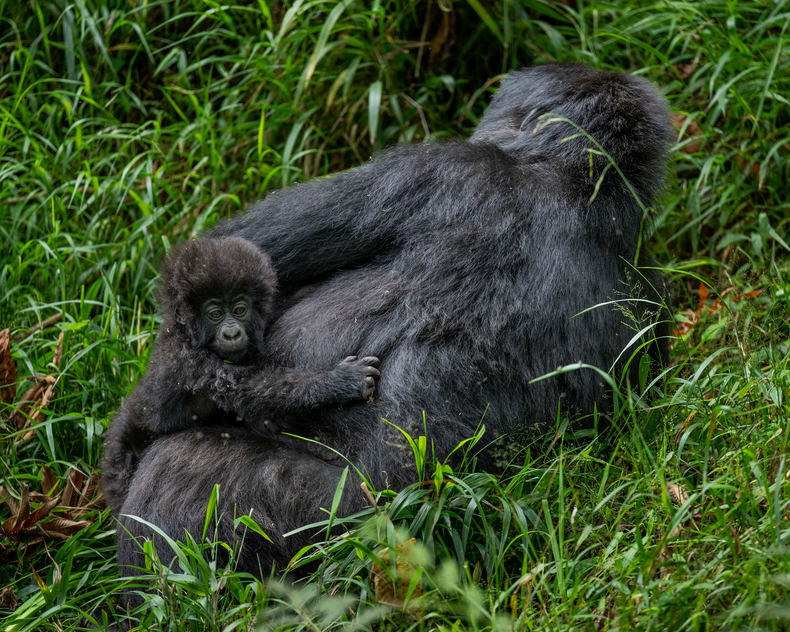
That one hour is the moment everyone describes the same way: time stops. The silverback moves through undergrowth that should be too dense, a mother nurses her infant metres from your feet, and a juvenile makes eye contact with you. It is not a zoo. It is not a wildlife documentary. It is something you will never fully explain to anyone who was not there.
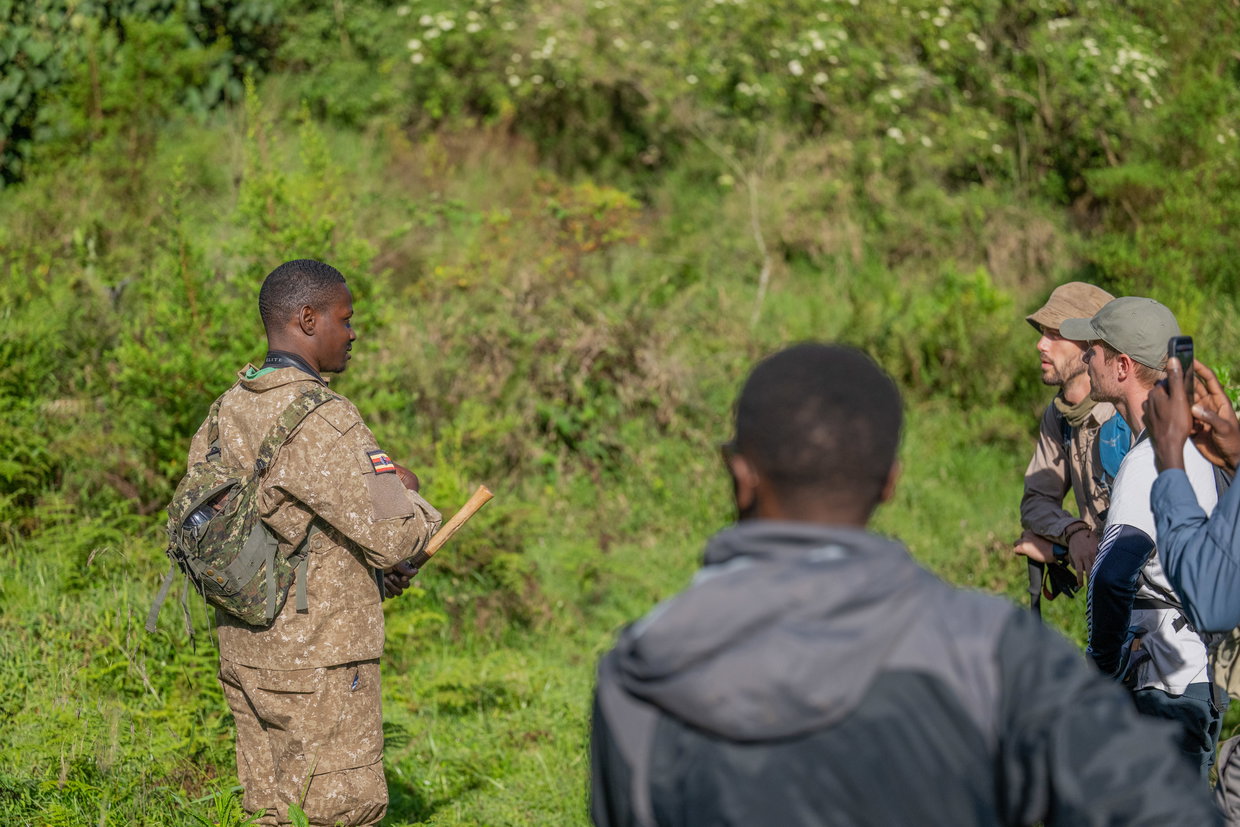
Pilama Safaris operates gorilla trekking through all four gorilla sectors in Bwindi: Buhoma, Ruhija, Rushaga, and Nkuringo. We handle all permit applications, manage the necessary fitness considerations, and pair you with specialist guides who know individual gorilla families by name.
-View our 3-Day Bwindi Gorilla Safari -View our 5-Day Uganda Gorillas Safari
Chimpanzee Tracking in Kibale Forest
Kibale National Park hosts the largest concentration of primates in Africa, with 13 species recorded. Its chimpanzee tracking experience is widely regarded as the best in the world. Unlike gorilla families, chimpanzee communities can move fast and travel far, making every tracking experience genuinely different. Your Kibale morning begins before dawn and can lead you through cathedral-like forest as the canopy erupts with chimp calls.
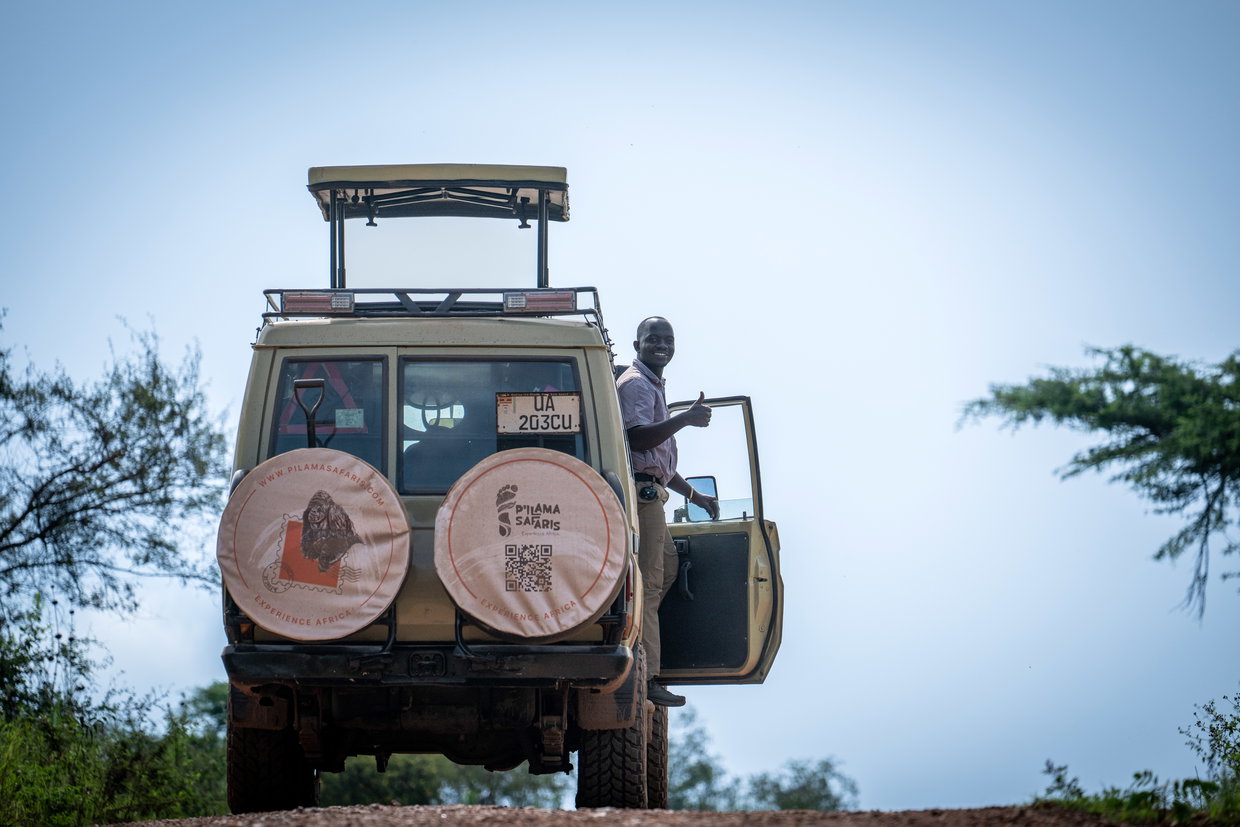
We frequently combine Kibale with Queen Elizabeth National Park into one of our most popular itineraries, allowing guests to experience both primate tracking and a classic game drive within a single trip.
Game Drives at Murchison Falls National Park
Uganda's largest national park sprawls across 3,893 square kilometres and contains the most dramatic waterfall on the Nile. The northern bank of the park offers what many of our guides describe as Uganda's best game viewing: densely populated with elephant, buffalo, giraffe, lion, leopard, and a staggering variety of birdlife. A Nile boat cruise to the falls base is the perfect way to end a game drive morning.
Murchison is also home to the endangered Rothschild giraffe, one of the rarest giraffe subspecies in the world, with fewer than 1,700 individuals remaining. Seeing one in the wild is a privilege you simply cannot put a number on.
-View our 3-Day Murchison Falls Safari
The Gorilla Habituation Experience
For travellers who want more than one hour with the gorillas, Uganda offers the Gorilla Habituation Experience, unique to the Rushaga sector of Bwindi. This permit allows you to spend a full four hours with a gorilla family that is currently being habituated to human presence, meaning you witness their most natural behaviours: feeding, play, conflict resolution, and rest.
Only eight permits are issued per day for habituation, making it one of the most exclusive wildlife experiences in Africa. We strongly recommend enquiring early, as these permits disappear quickly.
Best Time to Visit Uganda for a Safari
Uganda is open for safaris year-round, and this is one of its genuine advantages over destinations with sharply seasonal wildlife patterns. That said, the two dry seasons consistently offer the best game viewing and trekking conditions.
June to September: Peak Season, Peak Rewards
This is Uganda's longer dry season. Vegetation is lower, wildlife concentrates around water sources, and trails in Bwindi and Kibale are more manageable. June to September is also when gorilla families are easiest to locate, making this the most reliable time for trekking. It is also peak travel season for Europe and North America, so permits and lodges book up quickly. We advise planning and booking at least six months ahead for July and August travel.
December to February: The Hidden Window
Uganda's shorter dry season runs from December into early February and is significantly underrated. Parks are quieter, prices at lodges can be more negotiable, and the festive period through January offers a remarkable combination of wildlife abundance and relative solitude. Migratory birds are also present in huge numbers during this period, making it a favourite for birders.
For a full month-by-month breakdown, read our honest guide: Best Time to Visit Uganda for a Safari
How to Budget Your Uganda Safari
One of the most common questions we receive is: "How much does a Uganda safari cost?" The honest answer is that Uganda safaris can work across a surprisingly wide range of budgets, though some of the headline experiences, particularly gorilla trekking, carry fixed government permit costs.
The Fixed Costs
A Uganda Wildlife Authority gorilla trekking permit costs USD 800 per person. This is non-negotiable, and it is the same regardless of which operator you book with. A Gorilla Habituation Experience permit costs USD 1,500 per person. Chimpanzee tracking permits at Kibale run USD 250 per person.
What Pilama Safaris Includes
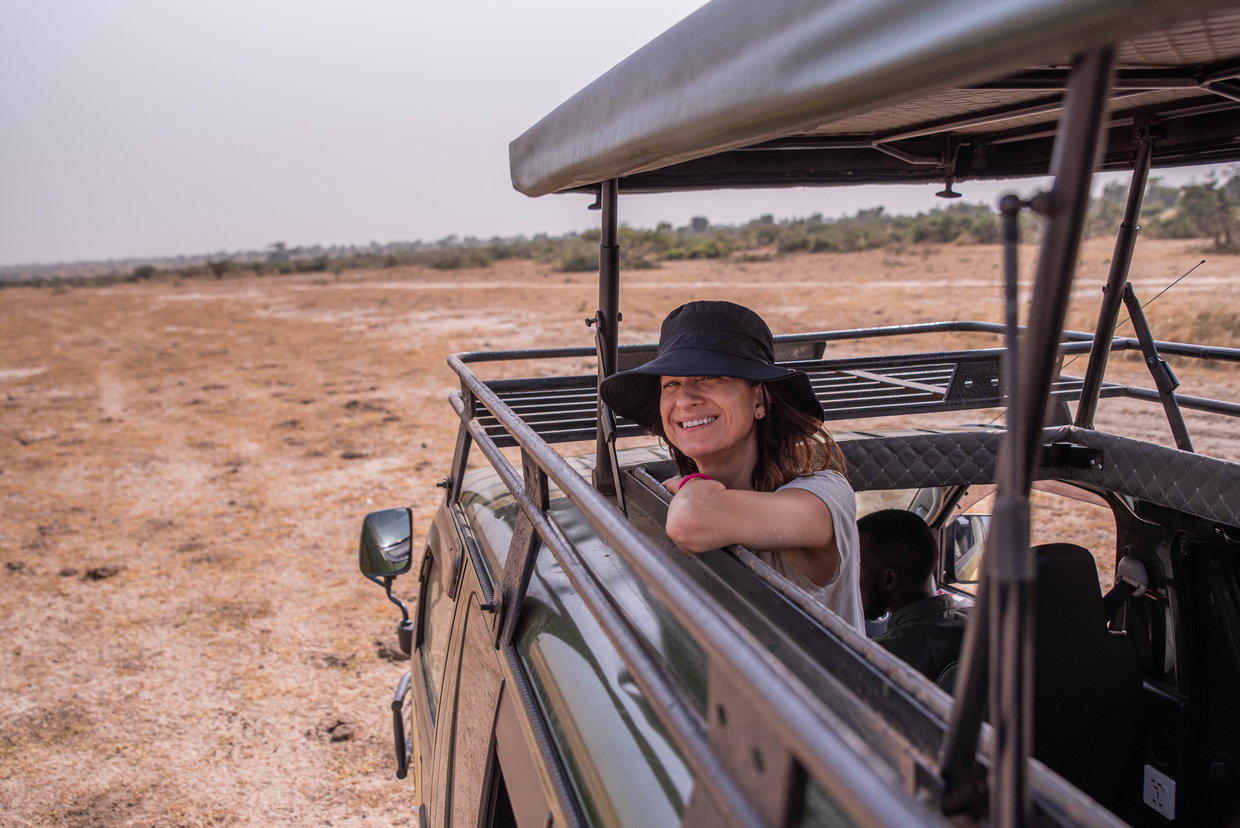
When you book with us, your safari package typically covers all ground transport in a private 4x4 safari vehicle, park entry fees, accommodation, all meals as specified in your itinerary, the services of a private guide, and all government permit fees. International flights and personal travel insurance are generally arranged separately, and we can advise you on both.
Our packages range from USD 200 to USD 1000 per person per day depending on accommodation level and itinerary, with budget-conscious and luxury options both available.
We offer a price-match guarantee. If you find a comparable package at a lower price, bring it to us. We will match it, because we would rather earn your booking fairly than lose it to a competitor.
Why Book Your Uganda Safari With Pilama Safaris?
There are hundreds of safari operators competing for your attention online. Here is what genuinely sets us apart.
We Are Local, Not Remote
Pilama Safaris is headquartered in Kampala, Uganda. Our guides were born here, live here, and know the parks, the animals, and the communities with the kind of depth that no operator based in London or New York can replicate. When your guide says he can hear the direction a chimp group has moved in because of a particular alarm call, he is not reading from a guide book.
Every Safari Is Private and Tailor-Made
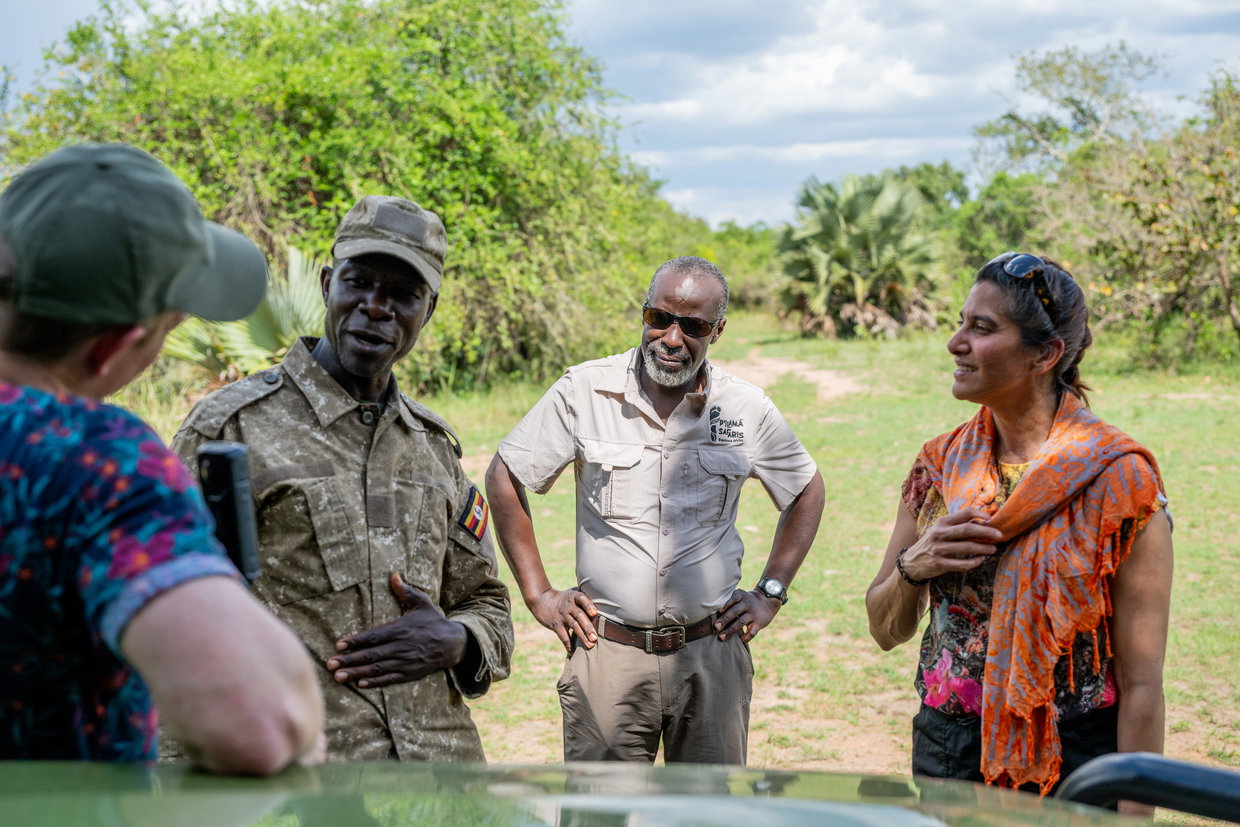
We do not run group departure schedules. Every Pilama safari is built around you: your dates, your pace, your interests. Whether you are a photographer who needs a vehicle configured for extended lens use, a family travelling with children who need gentler terrain, or a couple celebrating an anniversary who want something quietly romantic, we design the itinerary from scratch.
Conservation Is Built In
We are registered with the Uganda Tourism Board and committed to sustainable tourism practices. A meaningful portion of every booking fee supports local conservation programs and community development projects. When you travel with Pilama Safaris, your safari is not just good for you. It contributes to protecting the wilderness you came to see.
800+ Guests. Outstanding Reviews.
Our guests consistently return, recommend us to friends, and leave reviews that speak for themselves. On Tripadvisor, our guests describe their guides as extraordinary, their itineraries as flawlessly organised, and the overall experience as life-changing. We take that seriously.
- Read our guest reviews on google
Frequently Asked Questions: Uganda Safari 2026
Is Uganda safe for safari travel in 2026?
Yes. Uganda is one of the safest safari destinations in East Africa. National parks are well managed by the Uganda Wildlife Authority, and travellers consistently report feeling safe and welcomed throughout the country. As with any international travel, we advise checking your country's current travel advisory and carrying comprehensive travel insurance.
How fit do I need to be for gorilla trekking?
Gorilla trekking involves walking on steep, uneven terrain for a variable number of hours. A reasonable level of fitness is helpful, but it is not a requirement for participation. If mobility is a concern, Uganda Wildlife Authority offers a sedan chair carry service for an additional fee, and our team will always help guests find the most accessible gorilla family sector possible. We recommend consulting your doctor before booking if you have any health concerns.
How far in advance should I book?
For peak season travel (June to September), we recommend booking and securing permits at least six months in advance. For December and January travel, three to four months is usually sufficient, though earlier is always better for popular gorilla families and lodges.
Can I combine Uganda with Kenya or Tanzania?
Absolutely. This is one of our most popular configurations. A typical combination might be gorilla trekking in Bwindi followed by a Serengeti migration game drive in Tanzania, or paired with the Maasai Mara in Kenya. We operate across all four countries and handle all the logistics of multi-destination itineraries seamlessly.
Ready to Start Planning Your Uganda Safari?
The best safari you will ever take begins with a conversation. Tell us when you want to travel, what wildlife matters most to you, and what kind of experience you are looking for. We will take care of everything else.
Contact Us to Start Planning
WhatsApp: +49 178 256 8593 | Uganda: +256 771 973 703 | Email: safarispilama@gmail.com
Explore More from Pilama Safaris:
3-Day Bwindi Gorilla Safari Itinerary
5-Day Uganda Gorillas Safari
10-Day Uganda Gorilla and Chimpanzee Tour
3-Day Murchison Falls Safari
Gorilla Trekking vs Gorilla Habituation: Which Should You Choose?
Current Special Offers
Further Reading
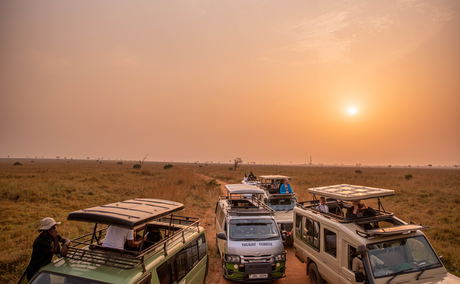
Is Uganda Safe to Visit? What Travelers Need to Know About Ebola and Safari Travel in 2026
Mon May 18, 2026
Read This Article
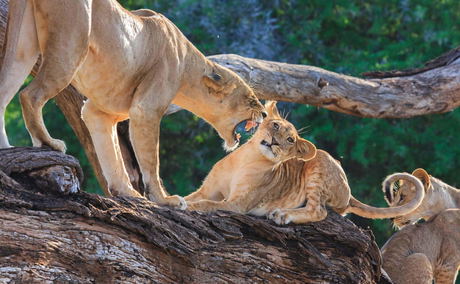
Kenya Safari 2026: The Ultimate Guide to the Maasai Mara and Beyond | Pilama Safaris
Thu May 14, 2026
Read This Article
Kenya is where the word "safari" was written into the modern imagination. The dust, the light, the silence before a lion roars. This is the country that made the world want to come to Africa, and in 2026, it is still absolutely worth every mile of the journey.
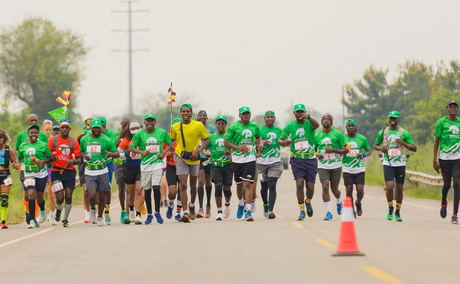
Don't Miss the Rwenzori Marathon 2026, The Race That Crosses the Equator in Uganda
Wed May 6, 2026
Read This Article
"Let's be honest about something. Most marathons are forgettable. You train for months, you show up to a city you have probably visited before, you run through streets lined with strangers holding signs, you collect your medal, you fly home. The medal goes in a drawer. The memory fades within a year. The Rwenzori Marathon is not that race."
Share This Post