
Uganda is one of the most experienced countries in the world at managing Ebola, and has successfully contained every outbreak it has ever faced. The two recent cases in Kampala were caught quickly, are being managed, and are not connected to any safari destination. The parks, the gorillas, the chimpanzees, and everything you came for are completely unaffected. Uganda's health authorities responded within hours and the country has strong, practiced systems for...
Ultimate Guide to Gorilla Trekking
Posted on Tue April 28, 2026.

If you're comparing gorilla trekking operators and trying to figure out who to trust with what might be the most extraordinary experience of your life you're in the right place. This guide covers everything you need to know: the permits, the preparation, what to expect on the day, and why Bwindi Impenetrable Forest in Uganda remains the gold standard for gorilla trekking in the world.
Why Bwindi? Why Uganda?
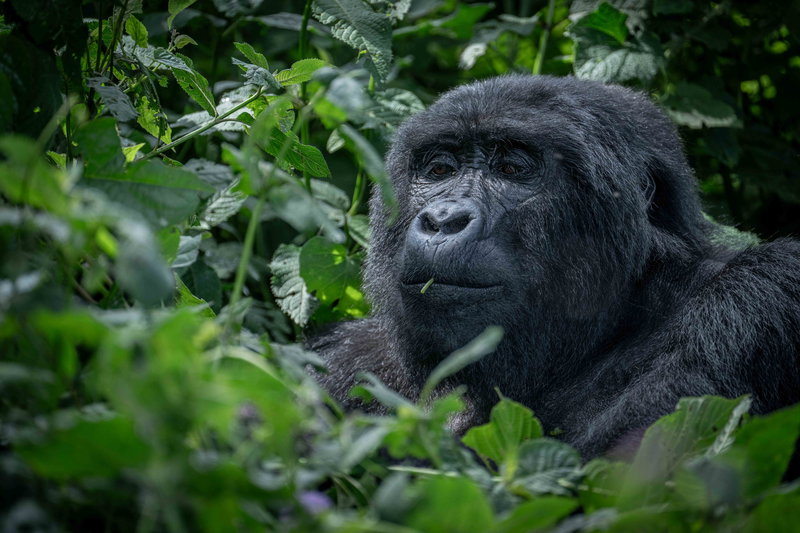
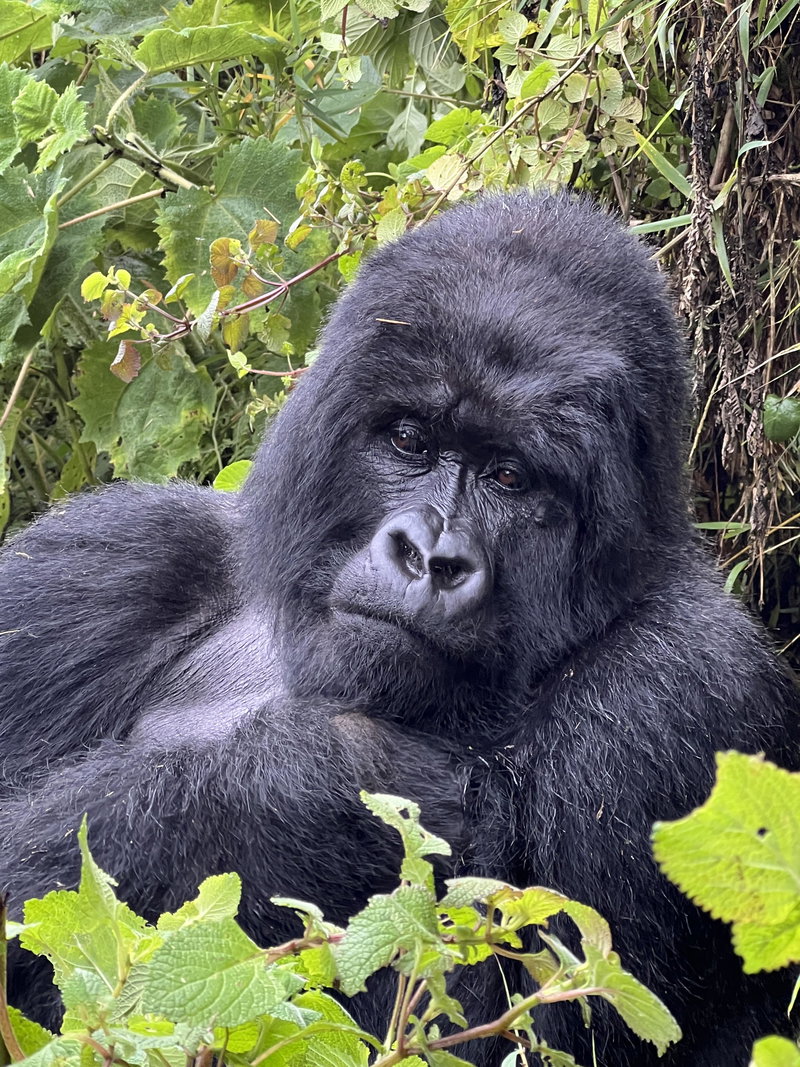
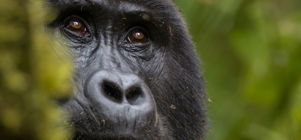
Uganda is home to roughly half of the world's remaining mountain gorillas approximately 460 of the estimated 900 left on earth. Bwindi Impenetrable National Park, a UNESCO World Heritage Site, is the most biodiverse forest in East Africa and the heart of gorilla trekking on the continent.
Yes, you can also trek gorillas in Rwanda (Volcanoes National Park) and the Democratic Republic of Congo. But here's the honest comparison:
- Rwanda offers a polished, luxury experience but gorilla permits cost $1,500 per person, making it one of the most expensive single-day wildlife experiences anywhere.
- DRC is more affordable but comes with significant safety considerations that most travelers prefer to avoid.
- Uganda hits the sweet spot: permits cost $800 per person (still a significant investment, but considerably less than Rwanda), the forest is wilder and more dramatic, and the overall safari experience combining gorillas with game drives, chimpanzees, and landscapes offers extraordinary value.
For travelers with a $1,500–$3,000 budget, Uganda is simply the best gorilla trekking destination in the world.
Getting a Gorilla Permit - What You Need to Know
This is where most travelers get confused, so let's be clear:
You must have a gorilla permit to trek. There are no walk-in options. Permits are issued by the Uganda Wildlife Authority (UWA) and are strictly limited only 8 tourists per gorilla family per day are allowed. This protects the gorillas and ensures an intimate, uncrowded experience.
How to get a permit:
- Permits can be booked directly through UWA through a licensed tour operator like Pilama Safaris
- Booking through a reputable operator is strongly recommended, we handle the logistics, monitor availability, and secure your permit well in advance
- Peak season (June–September and December–February) books out months ahead. Do not leave this to the last minute.
Permit cost: $800 USD per person (as of 2025)
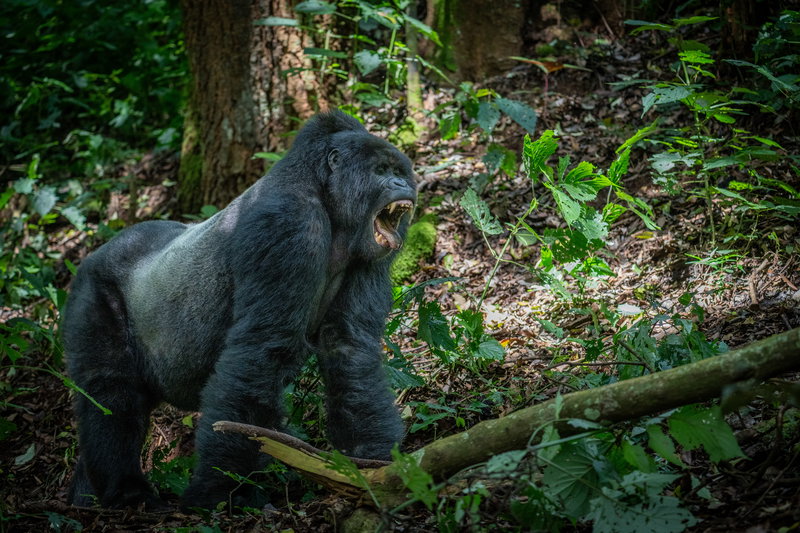
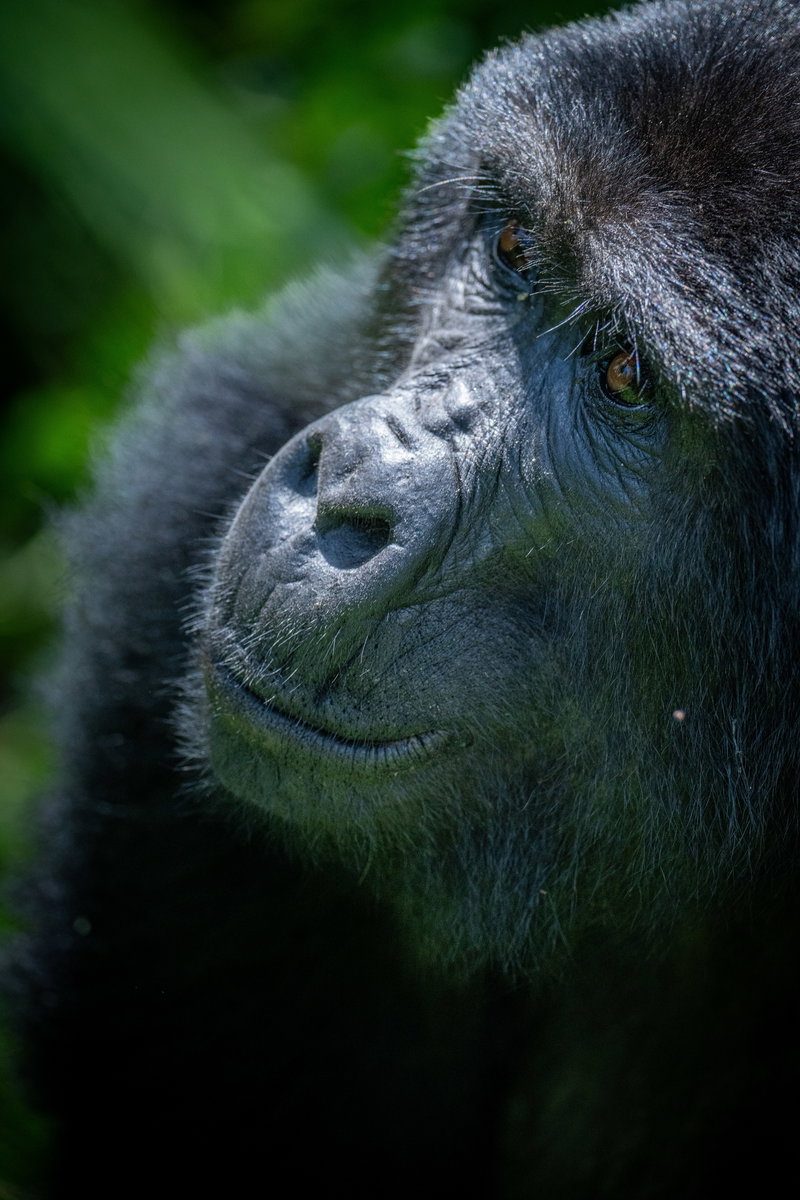
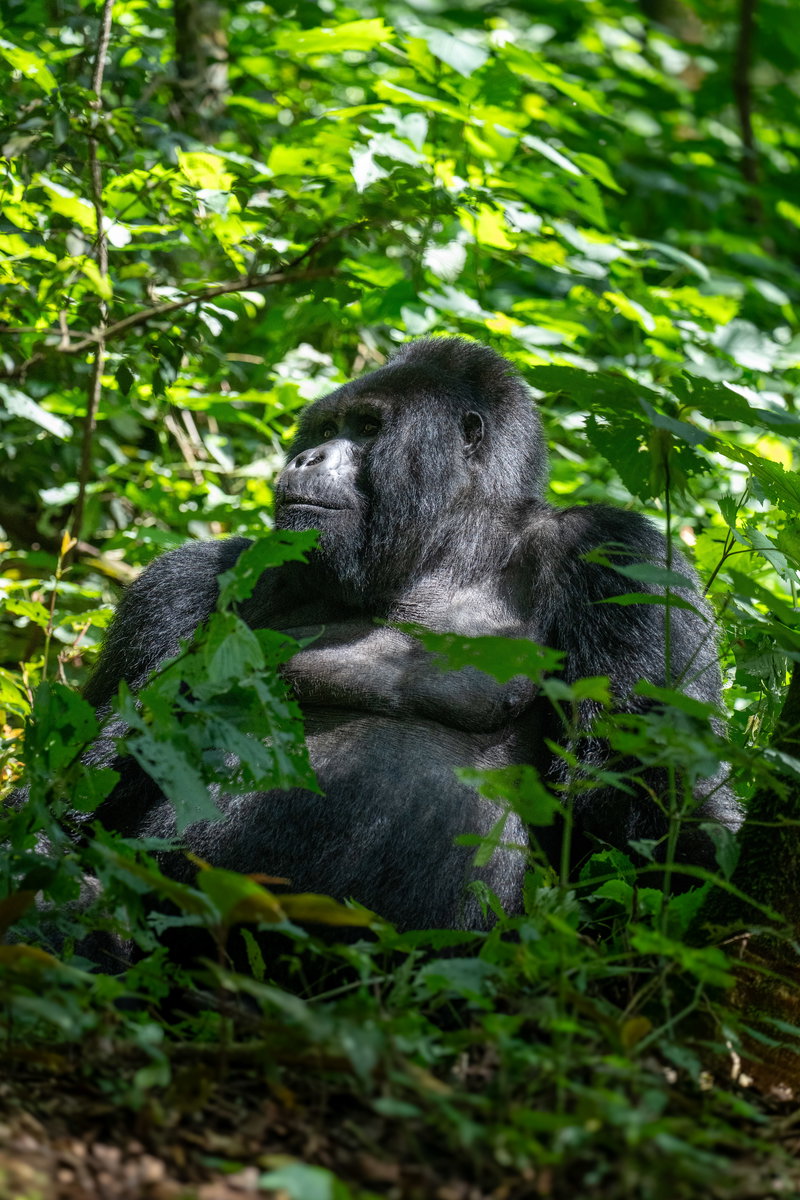
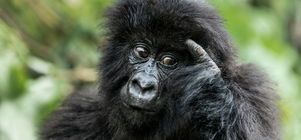
One important note: The permit covers one hour with a gorilla family. That hour watching a silverback move through the forest, seeing a baby gorilla play, locking eyes with one of our closest relatives is genuinely life-changing. Every person who has done it says the same thing.
Which Sector of Bwindi Should You Visit?
Bwindi has four trekking sectors, each with a different character:
Buhoma — The original and most established sector. Good infrastructure, slightly more tourist traffic, excellent for first-timers.
Ruhija — The highest altitude sector. Cooler, more remote, and the trek can be more demanding but the forest is spectacular.
Rushaga — The largest sector with the most gorilla families, including the option for gorilla habituation experience (a full day with a gorilla family, rather than one hour). Great for photographers.
Nkuringo — Remote, dramatic views of the Virunga volcanoes, and a more adventurous feel. Our personal favourite for travelers who want the full wild Uganda experience.
At Pilama Safaris, we advise our guests on which sector best suits their fitness level, budget, and interests. There is no single "best" sector it depends on you.
What to Expect on Trekking Day
The morning briefing: You'll meet your ranger guide at the sector headquarters at around 8:00am for a briefing on gorilla behaviour, trekking rules, and safety. This is also where you'll find out which gorilla family you've been assigned to.
The trek itself: Treks can range from 30 minutes to 6+ hours depending on where the gorillas have moved overnight. There is no way to predict this and that unpredictability is part of the magic. You are entering their world, not a zoo.
The forest is dense, steep in places, and genuinely wild. You'll want proper hiking boots, long trousers, and gardening gloves (for grabbing vegetation on steep sections). Porters are available for hire at the trailhead we strongly recommend them. They carry your bag, help you on difficult terrain, and the hire fee directly supports local communities.
The hour with the gorillas: When you find the family, rangers will position your group at a respectful distance (7 metres minimum). You have exactly one hour. Cameras out, phones on silent. No flash photography.
What happens in that hour is impossible to fully describe. Most people cry. Many say it's the best thing they've ever done.
After the trek: You'll receive a certificate of participation from UWA, a small touch that means a lot as a keepsake.
What to Pack
- Sturdy waterproof hiking boots (broken in - not new)
- Long-sleeved shirt and long trousers (protect against nettles and insects)
- Light rain jacket (the forest creates its own weather)
- Gardening gloves
- 2 litres of water minimum
- High-energy snacks
- Insect repellent
- Camera (no flash)
- A small daypack - porters will carry anything larger
Leave your valuables at the lodge. You won't need them.
Combining Gorilla Trekking with a Wider Uganda Safari
Bwindi sits in the southwest of Uganda, which means most travelers combine their gorilla trek with other highlights in the region. Our most popular itineraries pair Bwindi with:
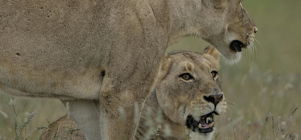
- Queen Elizabeth National Park — for tree-climbing lions, hippo channel boat cruises, and classic game drives
- Lake Mburo National Park — Uganda's most accessible park, great for zebra, impala, and walking safaris
- Kibale Forest National Park— home to the highest density of chimpanzees in Africa. A chimp trek here alongside a gorilla trek in Bwindi makes for one of the most remarkable primate experiences on earth.
A well-designed 5–7 day itinerary can comfortably include gorilla trekking, a chimp trek, and two national parks all within a $1,500–$3,000 budget. That is extraordinary value for what you experience.
Why Book With Pilama Safaris?
We are a locally-owned safari company based in Kampala, Uganda, not a booking agent sitting in an office overseas. When you travel with us, you travel with people who know this country intimately, who have relationships with the rangers and lodges, and who genuinely care about your experience.
Our team includes a professional wildlife photographer and field communications specialist. This means we think about your trip differently, the light in the forest in the early morning, the best angle on a silverback, the moments most guides walk past. We notice things.
We are licensed members of the Uganda Tourism Board (UTB) and Uganda Wildlife Authority (UWA), and we have a perfect 5.0 rating on google and other booking platforms from every traveler who has reviewed us.
We offer gorilla trekking packages starting from $2,520 per person for a 3-day trip, inclusive of permits, accommodation, transport, and guiding. Custom itineraries are available for any duration, group size, or budget.
Ready to Book Your Gorilla Trek?
Permits sell out. The best lodges in Bwindi sell out. The longer you wait, the fewer options you'll have especially if you're planning to travel between June and September.
Get in touch with us today and we'll build your itinerary within 24 hours.
📧 safarispilama@gmail.com
📱 WhatsApp: +491782568593
🌍 pilamasafaris.com
Pilama Safaris — locally owned, expertly guided, unforgettable.
Related posts:
- Best time to visit Uganda for a safari
- Gorilla trekking vs gorilla habituation experience — which should you choose?
- 5-day Uganda itinerary: gorillas, chimps, and game drives
Further Reading
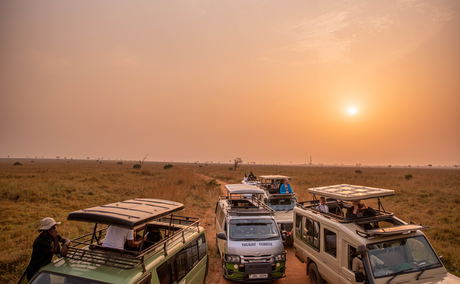
Is Uganda Safe to Visit? What Travelers Need to Know About Ebola and Safari Travel in 2026
Mon May 18, 2026
Read This Article
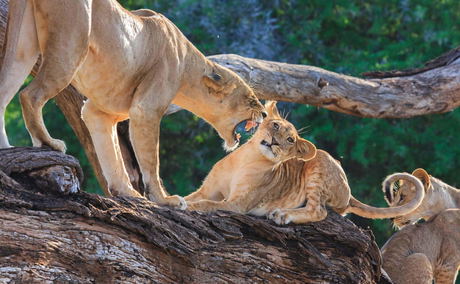
Kenya Safari 2026: The Ultimate Guide to the Maasai Mara and Beyond | Pilama Safaris
Thu May 14, 2026
Read This Article
Kenya is where the word "safari" was written into the modern imagination. The dust, the light, the silence before a lion roars. This is the country that made the world want to come to Africa, and in 2026, it is still absolutely worth every mile of the journey.
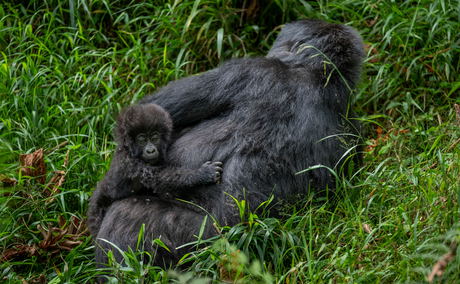
Uganda Safari 2026: The Complete Guide to Planning an Unforgettable African Adventure
Wed May 13, 2026
Read This Article
If you are reading this, you are already closer to the trip of your lifetime than you think. Uganda is not a compromise safari destination. It is the destination, and 2026 is the perfect year to go.
Share This Post