
Permits, travel time, the trek and what else you can do. An honest comparison from a team that plans gorilla treks in both countries.
What to Pack for Gorilla Trekking in Uganda and Rwanda
Posted on Fri November 20, 2026.
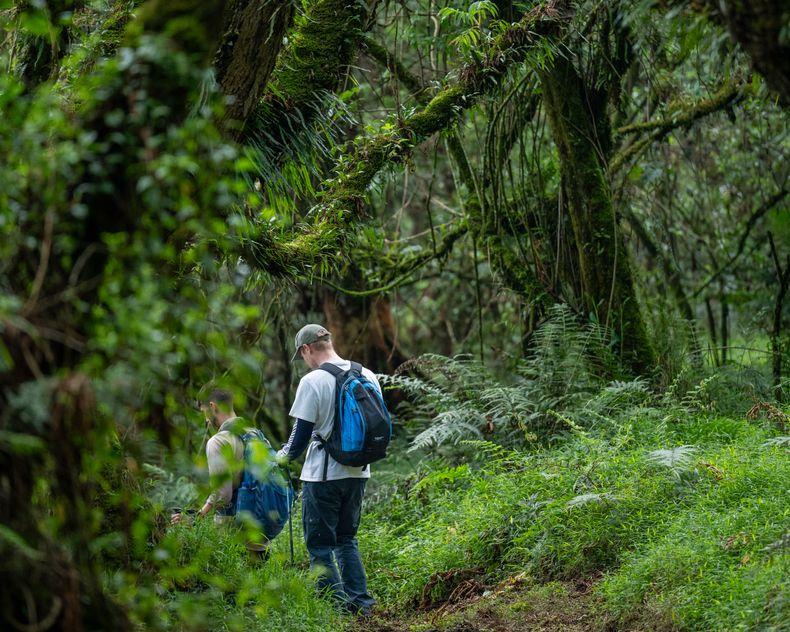
Gloves, boots, a rain jacket and the rules that protect the gorillas. Everything our guides tell guests to pack before a gorilla trek.
Gorilla trekking is a hike, not a game drive. You walk through thick rainforest on steep, often muddy slopes, sometimes for an hour and sometimes for most of the day, until the rangers lead you to a gorilla family. What you wear and carry makes a big difference to how much you enjoy that hour with them. Here is what our guides tell every guest before a trek in Bwindi, Mgahinga or Volcanoes National Park.
What to wear
- Long trousers in a light, quick drying fabric. Tuck them into your socks to keep ants and nettles out.
- A long sleeved shirt. The forest is full of stinging nettles and thorny vines, and sleeves protect your arms.
- Garden or work gloves. You will grab branches and roots to pull yourself up, and many of them sting or prick. Cheap gloves are one of the most useful things you can bring.
- Waterproof hiking boots with good grip, already worn in. Trainers slip on wet slopes.
- Gaiters if you have them, to keep mud and ants out of your boots.
- A light rain jacket. It can rain any month of the year in the forest, even in the dry season.
- Layers. Mornings in Bwindi and the Virungas are cool, and you warm up fast once you start climbing.
- Muted colours like green, khaki or brown. Avoid bright colours and white, which show every bit of mud.
What to carry in your day pack
- Your passport and gorilla permit. Rangers check both at the briefing.
- At least 2 litres of water and your packed lunch from the lodge.
- Snacks like nuts or energy bars for the walk back.
- A camera with a zoom lens if you have one, and spare batteries. Flash photography is not allowed near the gorillas.
- A dry bag or plastic bags to keep your camera and phone dry in the rain.
- Insect repellent and sunscreen.
- A small amount of cash for a porter and tips for the rangers.
Things you can get on the day
At the park headquarters you can borrow a walking stick, and you will want one on the steep sections. You can also hire a local porter to carry your bag and help you up and down the slopes for a small fee. We always recommend one. It makes the trek much easier, and the money goes straight to families living around the park.
The rules that protect the gorillas
Mountain gorillas share most of our DNA and can catch human illnesses. To keep them safe:
- Do not trek if you are sick. If you have a cold, flu or fever, tell the rangers. They may ask you to stay behind.
- Keep your distance. Rangers will ask you to stay about 7 metres from the gorillas.
- Your time with them is one hour. Be ready with your camera, but put it down for a few minutes too.
- No eating, drinking or smoking near the gorillas, and keep your voice low.
- Rangers may ask you to wear a face mask when you are close to the family, so carry one.
How fit do you need to be?
You do not need to be an athlete, but you should be comfortable walking for several hours on steep ground. Bwindi sits between roughly 1,100 and 2,600 metres above sea level, so you may feel the altitude a little. The rangers try to match groups to fitness, and you can ask for a shorter trek at the briefing. The minimum age for gorilla trekking is 15.
Your quick checklist
- Long trousers and a long sleeved shirt
- Gloves
- Waterproof hiking boots and gaiters
- Rain jacket and a warm layer
- Passport and permit
- 2 litres of water, lunch and snacks
- Camera, spare batteries and a dry bag
- Insect repellent, sunscreen and a face mask
- Cash for a porter and tips
Still planning your trek? Read our guide to trekking versus habituation, see what permits cost in our FAQ, or browse our Uganda gorilla safaris. We book your permits and handle everything else, so all you need to do is pack.
Further Reading
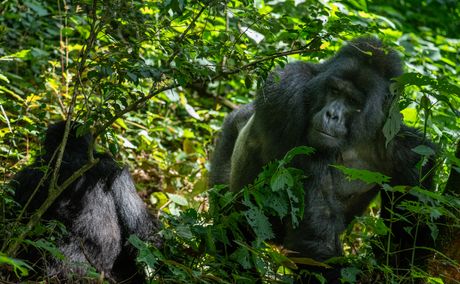
Uganda or Rwanda for Gorilla Trekking? An Honest Comparison
Fri November 20, 2026
Read This Article
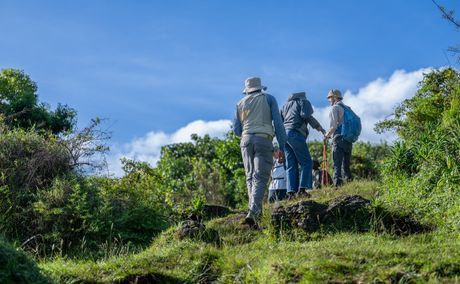
Hiking in Uganda: The Best Trails and How to Build a Hiking Safari
Fri November 20, 2026
Read This Article
From the glaciers of the Rwenzori to Sipi Falls, Muhavura and the hills of Karamoja: the best hikes in Uganda and how to combine them with a safari.
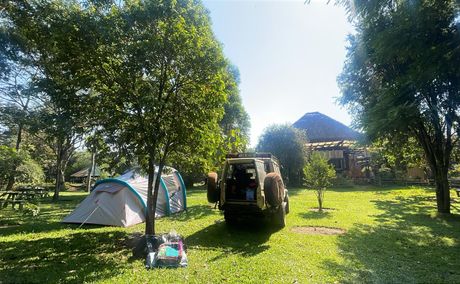
Self Drive Safari in Uganda: A Practical Guide for First Timers
Thu November 19, 2026
Read This Article
Hiring your own 4x4 in Uganda? What to know about roads, licences, the best routes, permits and the practical tips our team swears by.
Share This Post