

Uganda is one of the most experienced countries in the world at managing Ebola, and has successfully contained every outbreak it has ever faced. The two recent cases in Kampala were caught quickly, are being managed, and are not connected to any safari destination. The parks, the gorillas, the chimpanzees, and everything you came for are completely unaffected. Uganda's health authorities responded within hours and the country has strong, practiced systems for...
Kenya Safari 2026: The Ultimate Guide to the Maasai Mara and Beyond | Pilama Safaris
Posted on Thu May 14, 2026.
Kenya is where the word "safari" was written into the modern imagination. The dust, the light, the silence before a lion roars. This is the country that made the world want to come to Africa, and in 2026, it is still absolutely worth every mile of the journey.
There is a version of Kenya that exists in everyone's mind before they arrive. Wide open plains, golden grass moving in the wind, a herd of elephants walking slowly toward water. The real thing is better. It always is.
Kenya is one of the most iconic safari destinations on earth, and for good reason. It packs an extraordinary range of ecosystems, wildlife, and culture into a single country. From the Maasai Mara in the southwest to the otherworldly landscapes of Samburu in the north, from the snow-capped peak of Mount Kenya to the white sand shores of Diani Beach, this is a destination that rewards every kind of traveller. This guide will walk you through everything you need to plan your 2026 Kenya safari, the parks, the seasons, the costs, the experiences, and how to do it right.
Why Kenya in 2026?
Kenya is not resting on its reputation. The safari infrastructure has never been better, private conservancies have expanded dramatically, and the wildlife is thriving across many key regions. The Maasai Mara ecosystem supports one of the highest concentrations of predators anywhere in Africa, and the conservation partnerships between lodges, local communities, and wildlife organisations are producing real results.
2026 is also a strong year for value. Several operators, including Pilama Safaris, have structured packages that allow travellers to experience the Mara and other parks without the inflated pricing that has historically kept Kenya out of reach for many visitors. You do not have to choose between quality and cost. You just need the right guide.
The Parks and Where to Go
The Maasai Mara
The Mara is Kenya's crown jewel, and it earns that title every single year. Covering over 1,500 square kilometres in the southwest of the country, it forms the northern section of the greater Serengeti ecosystem that stretches across the border into Tanzania. The Mara River cuts through its heart, and it is along this river that one of the greatest wildlife spectacles on the planet unfolds every year: the Great Migration.
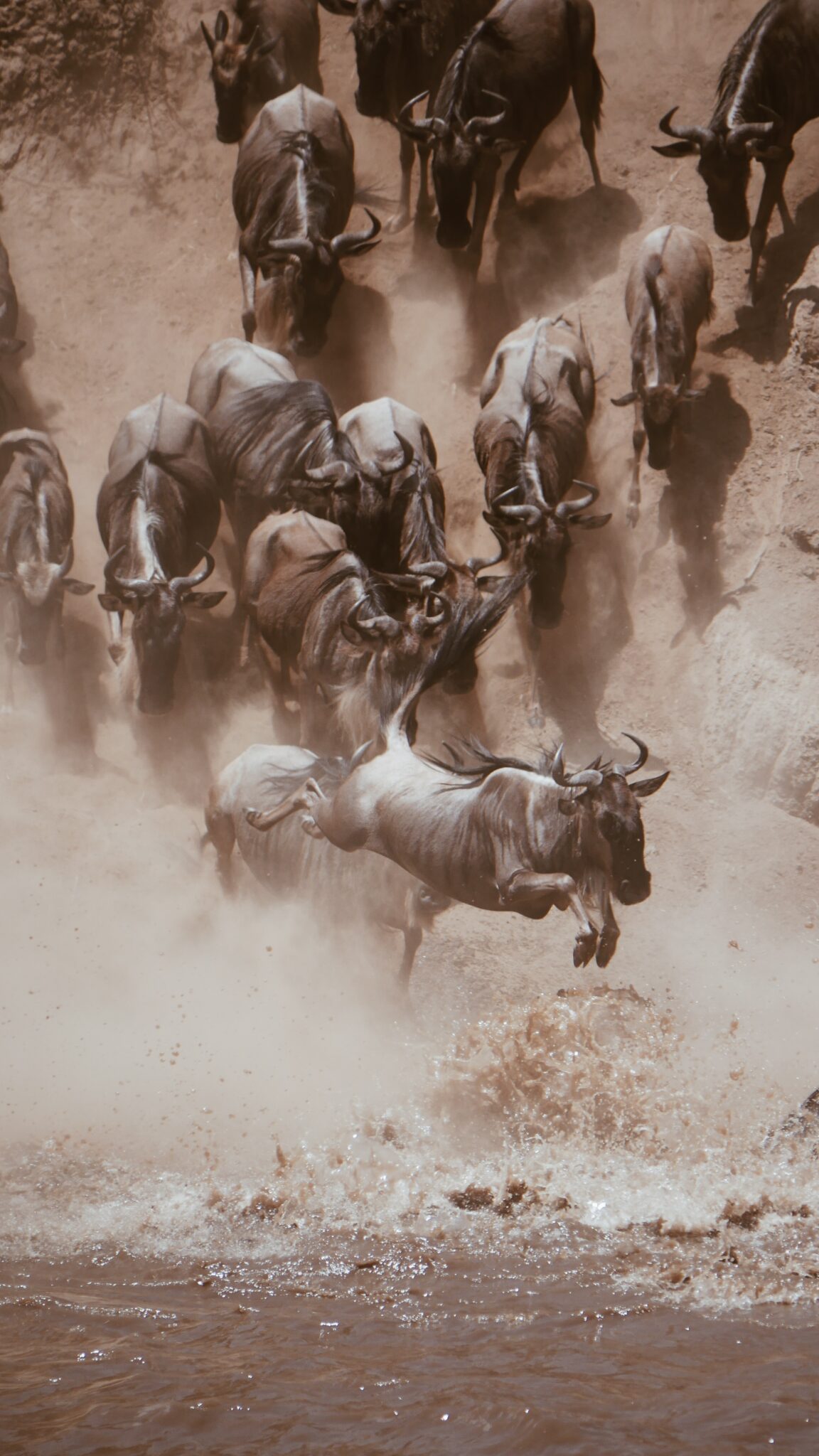
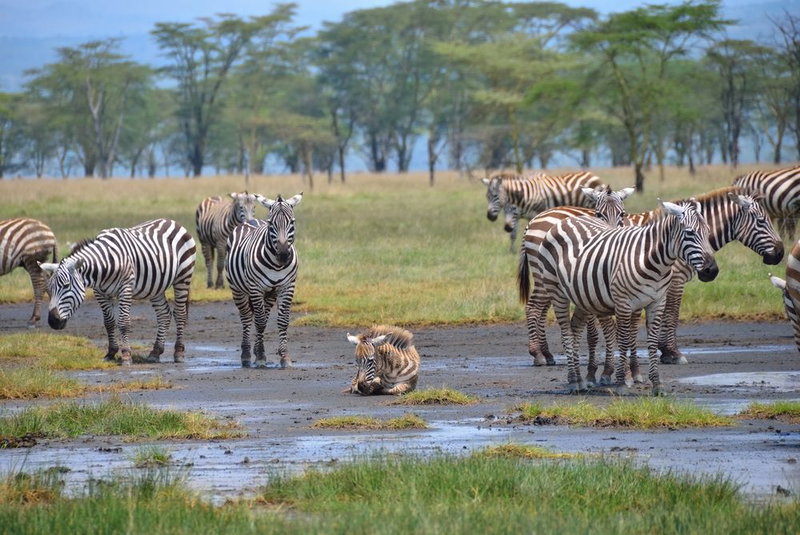
Between July and October, over 1.5 million wildebeest, accompanied by hundreds of thousands of zebra and gazelle, make their way from Tanzania's Serengeti northward into the Mara in search of fresh grazing. The river crossings are extraordinary. Crocodiles wait in the shallows. Lions line the banks. The air fills with the sound of hooves and water and something primal that is very difficult to describe until you have witnessed it yourself.
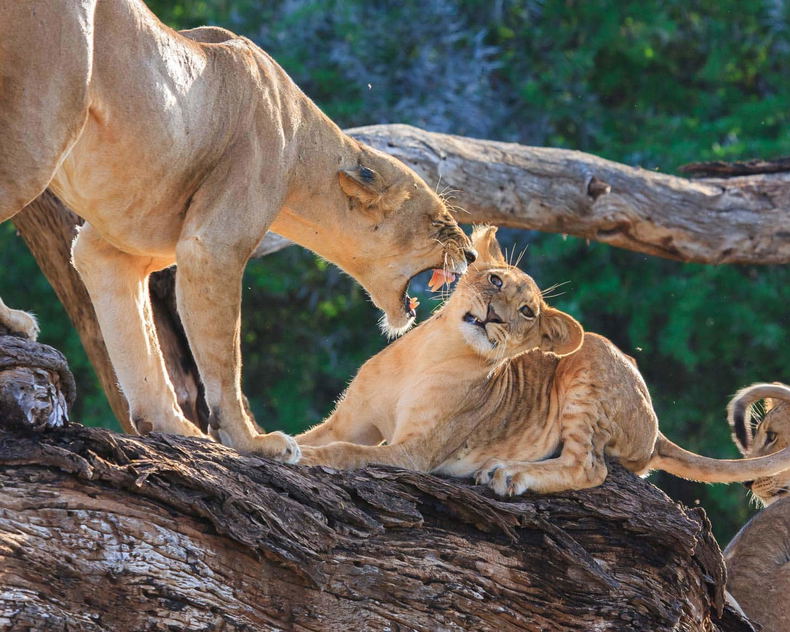
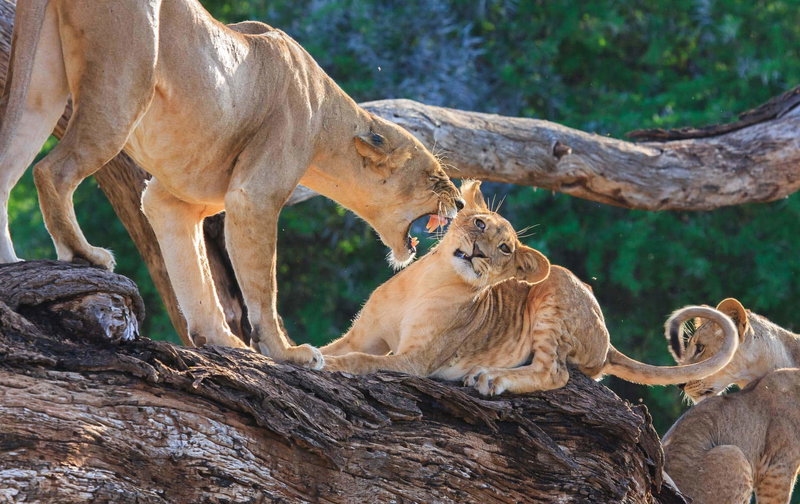
But the Mara is exceptional year-round. The resident wildlife is remarkable regardless of whether the migration is in Kenya. Elephant, buffalo, giraffe, cheetah, leopard, and lion are present throughout the year. The Mara is simply one of the best places on earth to watch big cats.
For a richer, more exclusive experience, ask about the private conservancies bordering the reserve. Areas like the Olare Motorogi Conservancy and the Mara North Conservancy operate with strict visitor limits, which means you spend far less time sharing sightings with other vehicles. This is where the Mara you imagined actually exists.
Amboseli National Park
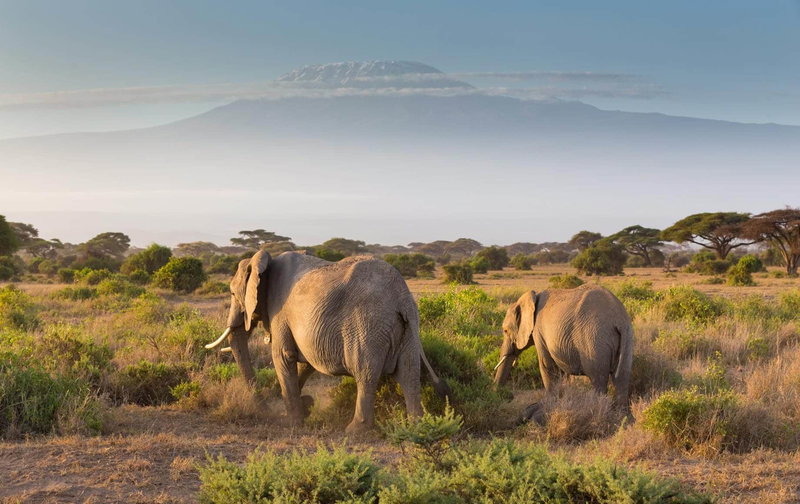
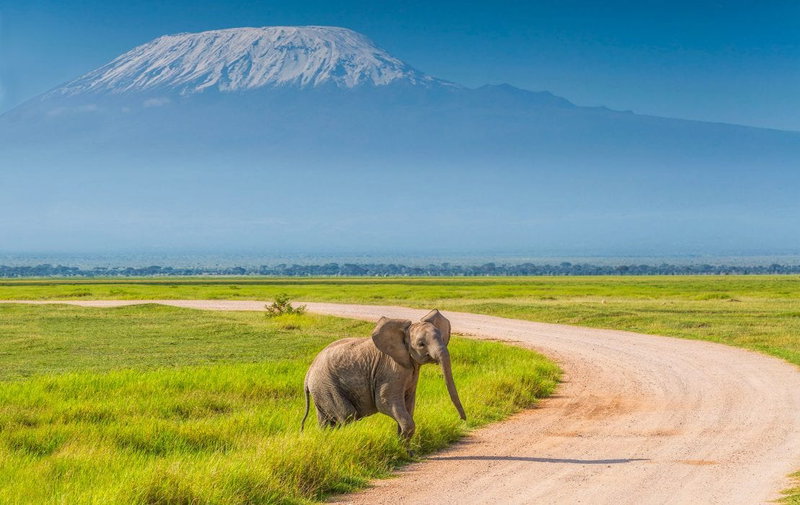
Amboseli sits at the foot of Mount Kilimanjaro, just across the border from Tanzania, and it offers one of the most iconic backdrops in all of Africa. On a clear morning, the mountain rises above the plains with a quiet majesty that no photograph has ever fully done justice.
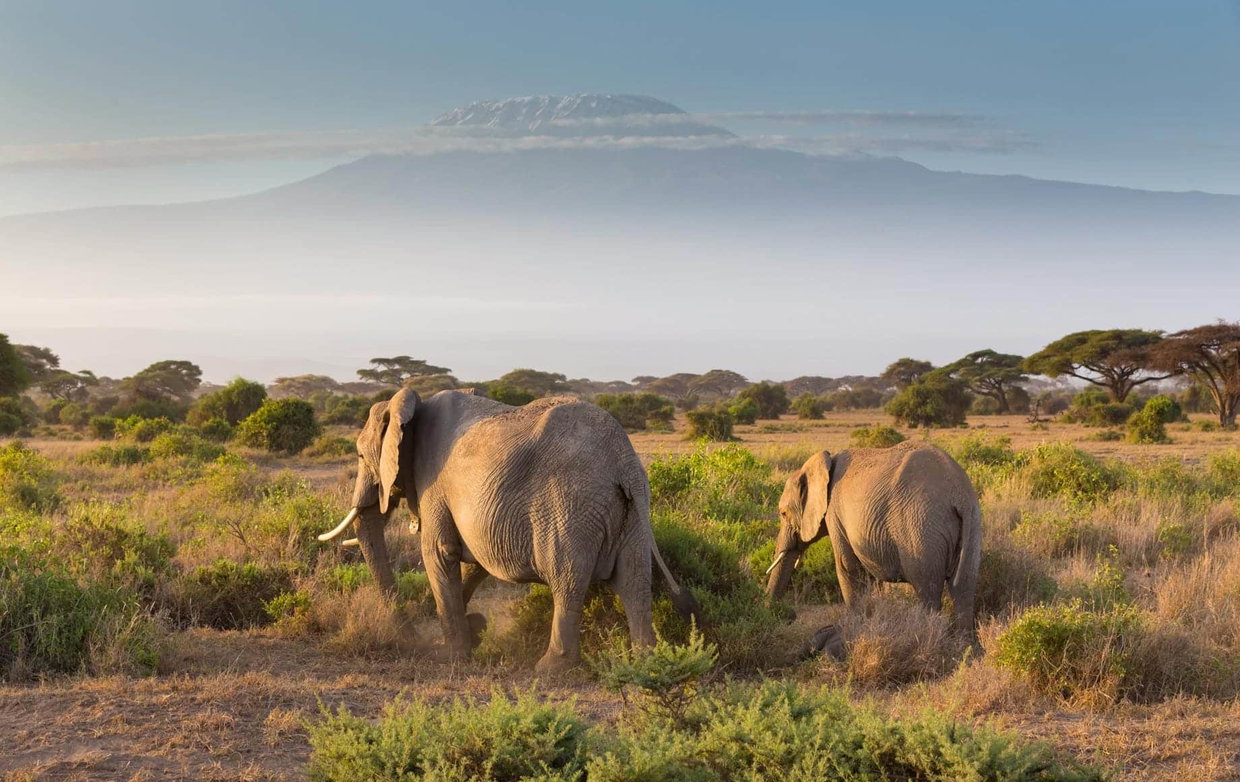
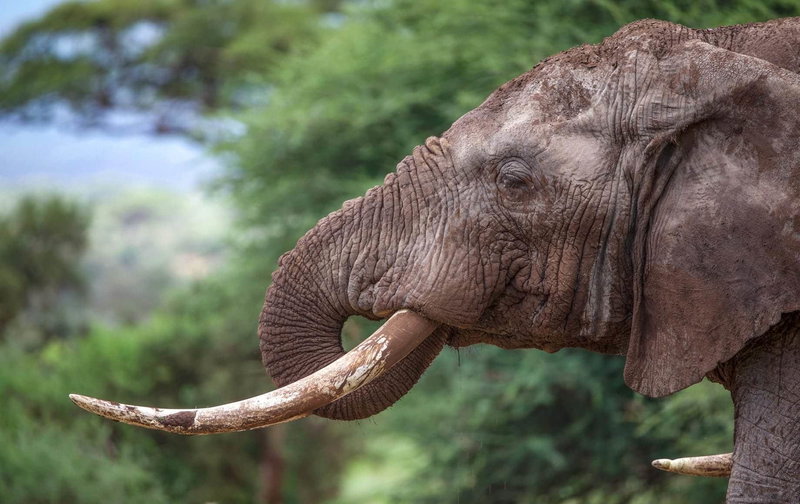
Amboseli is famous for its elephants. The park is home to some of the largest tuskers in Kenya, and the Amboseli elephant population has been studied continuously for over 50 years, making it one of the most extensively researched elephant communities in the world. Watching a matriarch lead her family across the open floodplains with Kilimanjaro behind her is a genuinely moving experience.
The park is best combined with the Maasai Mara as part of a longer circuit. Three to four nights in Amboseli followed by four to five nights in the Mara is one of the most satisfying Kenya itineraries we run.
Samburu National Reserve
Samburu sits in Kenya's arid north, and it feels like a completely different country. The landscape is semi-desert scrubland crossed by the Ewaso Nyiro River, and the wildlife here includes species you simply will not find in southern Kenya.
The Samburu Five, as they are known, are the reason to make the journey north: Grevy's zebra (rarer and more beautifully marked than the common zebra), reticulated giraffe (the most striking of all giraffe subspecies), Beisa oryx, Somali ostrich, and the gerenuk, a long-necked antelope that browses standing on its hind legs. If you are a serious wildlife enthusiast who wants to go beyond the standard safari checklist, Samburu belongs on your itinerary.
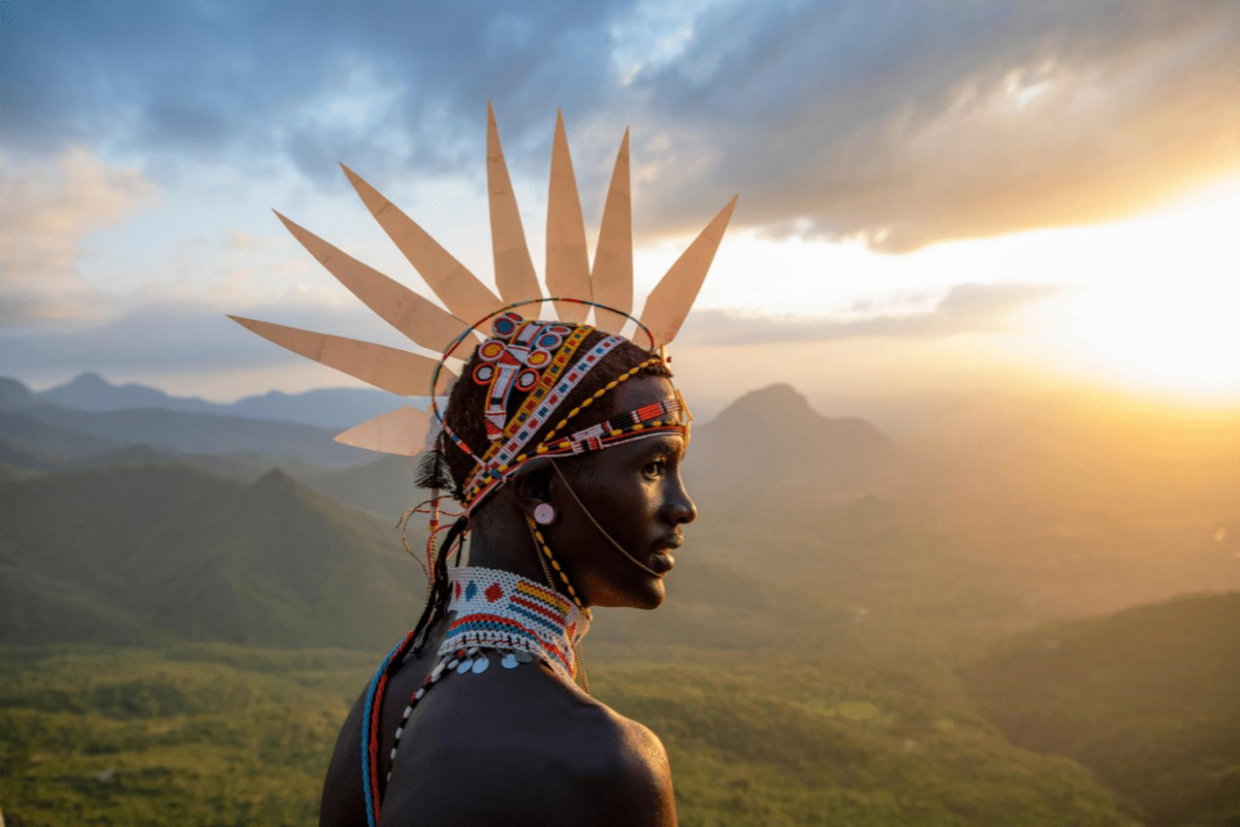
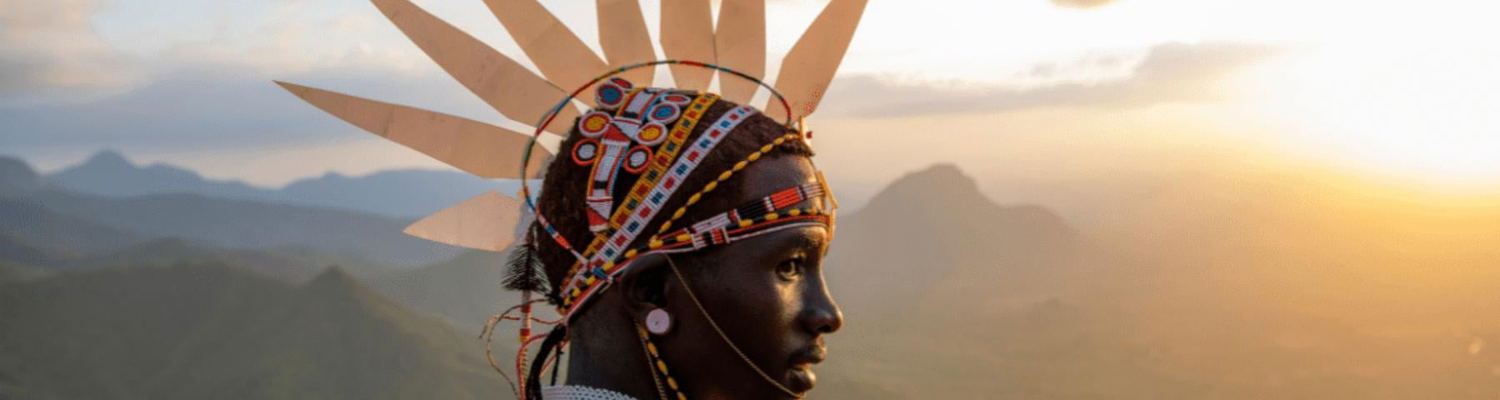
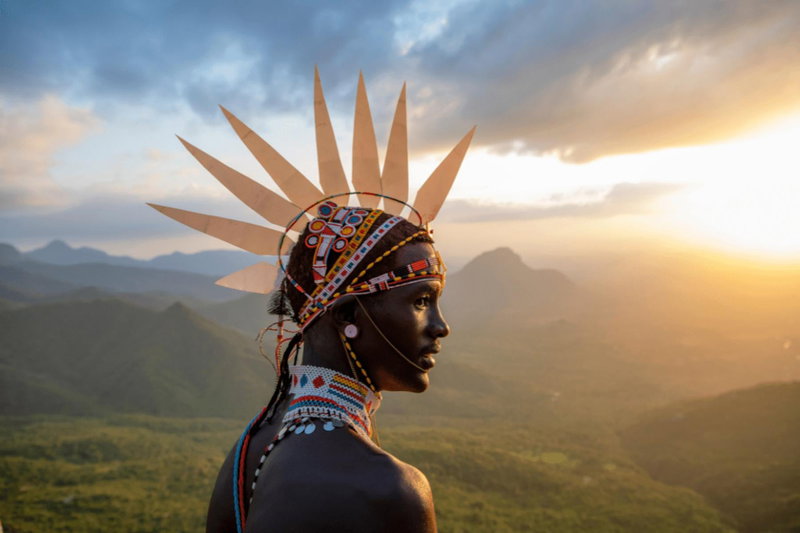
The Samburu community, one of the most recognisable of Kenya's Maasai-related peoples, are also deeply integrated into the tourism experience here. A visit to a traditional manyatta village is a genuinely cultural encounter, not a performance, when done with the right operator.
Lake Nakuru and the Rift Valley
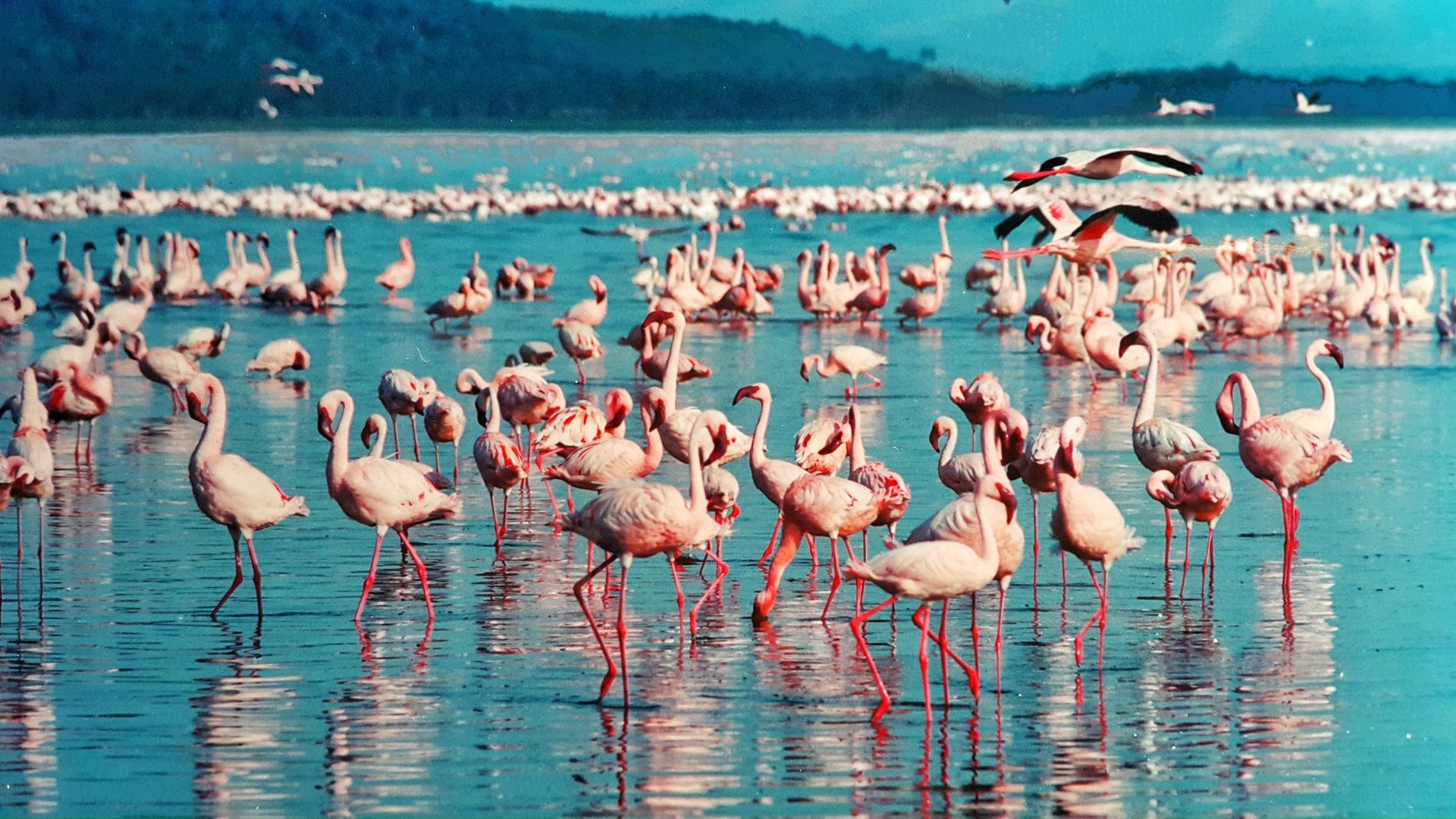
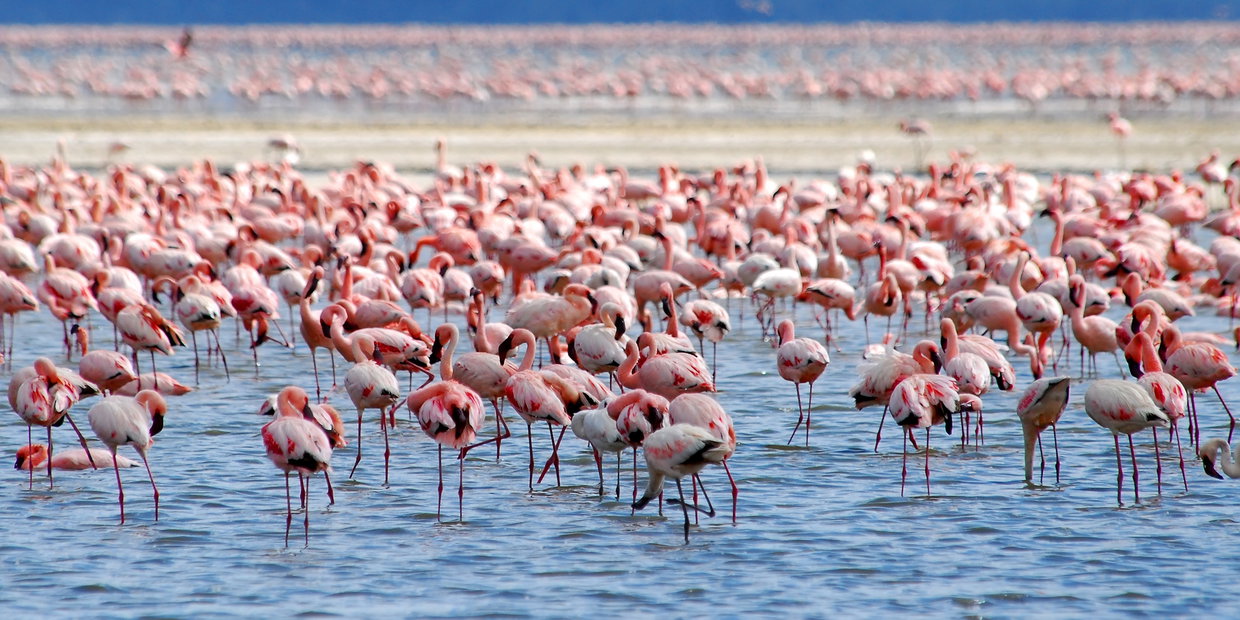
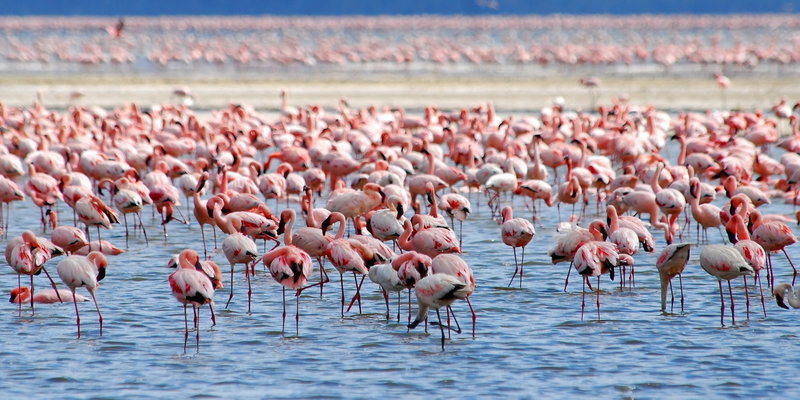
The Great Rift Valley is one of the defining geographical features of East Africa, and Kenya's section of it is spectacular. Lake Nakuru, within its own national park, is one of the best places on the continent to see the white rhinoceros, and the alkaline lake itself attracts flamingos in extraordinary numbers. On a windless morning, the surface of the lake turns pink.
Lake Nakuru pairs well with a stop at Lake Naivasha, where you can do a boat safari among hippos and fish eagles, or take a walking safari to the nearby Crescent Island. The Rift Valley circuit makes for an excellent two-day addition to any Kenya itinerary, particularly for first-time visitors who want variety beyond the Mara.
When to Go: The Best Time to Visit Kenya
Kenya is a year-round safari destination, but the timing of your visit shapes the experience significantly.
July to October is peak season and for good reason. This is when the Great Migration is in Kenya, predator activity in the Mara is at its most intense, and the weather is dry and clear. It is also the most expensive and most crowded period. Book early if you are targeting this window. For 2026, we are already receiving peak-season enquiries.
January and February offer an excellent alternative. The short dry season produces exceptional game viewing across virtually all of Kenya's parks, the migration calves in Tanzania at this time which draws predators to the southern Serengeti, and prices are meaningfully lower than peak. This is the window many experienced safari travellers quietly prefer.
June is a wonderful shoulder month. The long rains typically end in late May, the Mara is lush and green, the migration is beginning to move northward, and visitor numbers have not yet reached the July peak. It is an underrated time to visit.
March to May is the long rainy season and generally not recommended for first-time visitors. Roads can become difficult, some camps close for maintenance, and game viewing is harder in heavy vegetation. However, the birdlife during the rains is exceptional, rates are at their lowest, and experienced safari travellers who know what they are doing can find the Mara almost entirely to themselves.
What Does a Kenya Safari Cost?
Kenya has a reputation for being expensive, and it is true that the Maasai Mara's top-tier camps carry premium prices. But the range is wider than most people realise.
Budget range: From around $250 to $400 per person per night at camp or lodge level, all-inclusive. This covers comfortable tented camps in good locations with experienced guides and full board.
Mid-range: From $400 to $700 per person per night. This is where the quality of guiding, exclusivity of location, and camp design start to become genuinely impressive. Many of our most popular Kenya itineraries sit in this bracket.
Luxury and private conservancy: $700 and above per person per night. At this level you are looking at full-service luxury camps in exclusive conservancies, private vehicles and guides, and experiences designed entirely around your preferences.
A typical seven to eight night Kenya safari for two people, including flights from Nairobi, park fees, guiding, and accommodation, ranges from $3,500 to $8,000 per person depending on the tier. We put together detailed, transparent quotes for every enquiry, so you always know exactly what you are paying for and why.
The Pilama Safaris Approach to Kenya
We are a local East African operator. Our guides were raised in this region. Our relationships with camps and conservancies are built on years of working together, not a commission structure managed from overseas. When you travel with Pilama Safaris, your experience is shaped by people who genuinely care about both the wildlife and the communities that live alongside it.
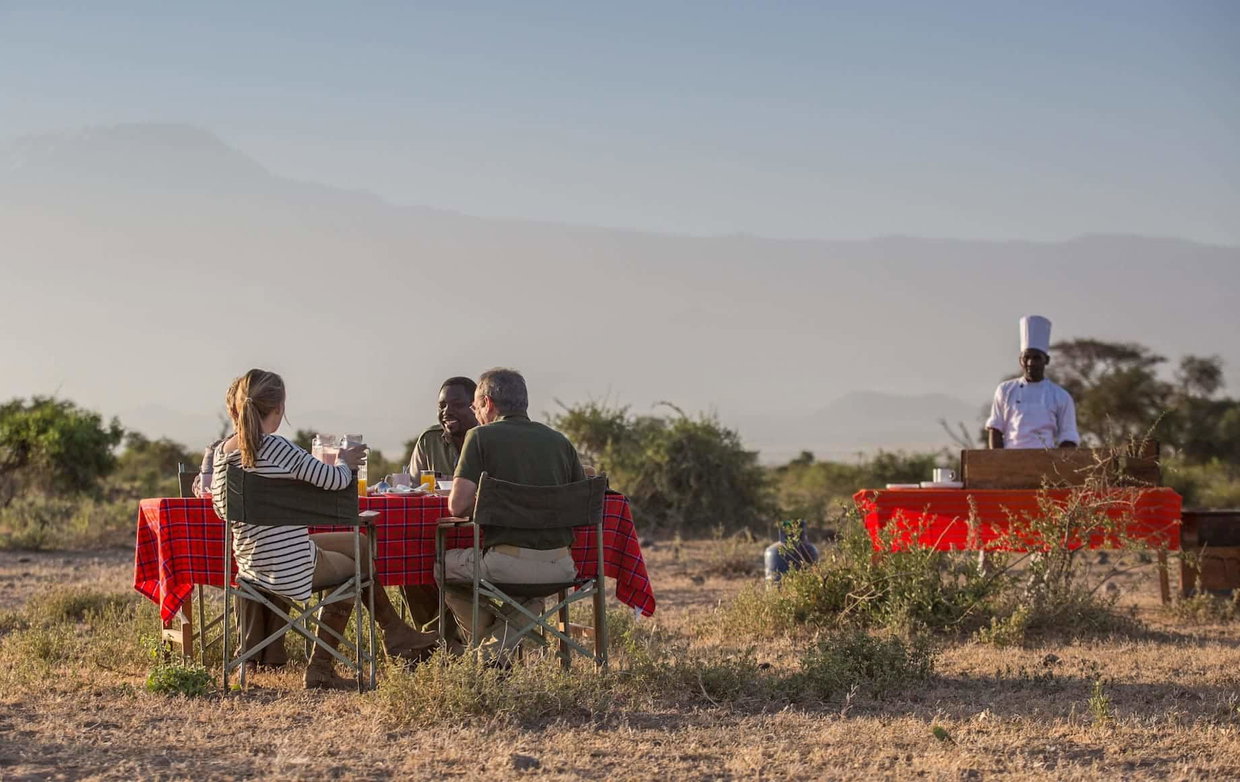
We run a range of Kenya itineraries, from focused Maasai Mara fly-in packages to extended multi-park circuits that combine Kenya with Uganda or Tanzania. If you have a specific wish, whether it is witnessing a river crossing, tracking lions on foot in a conservancy, or spending a night in a treehouse above an elephant water hole, tell us. We will build the trip around it.
Frequently Asked Questions
Do I need a visa for Kenya? Most nationalities, including UK, US, EU, and Australian passport holders, can obtain an eVisa for Kenya online before travel. We advise starting this process at least three weeks before departure. Our team can guide you through the process.
Is Kenya safe for tourists? Kenya's main safari destinations are well-established tourism zones with strong infrastructure and experienced operators. Nairobi, like any large city, requires normal urban awareness. We brief all our guests fully on practical safety before and during their trip.
How fit do I need to be for a Kenya safari? Most Kenya safaris involve very little physical exertion. Game drives are conducted from vehicles and the pace is set entirely by wildlife sightings. If you are interested in walking safaris or more active experiences in private conservancies, a moderate level of fitness is helpful but no special training is required.
Can I combine Kenya with Uganda? Absolutely. One of our most rewarding itineraries combines gorilla trekking in Uganda's Bwindi Impenetrable Forest with a Maasai Mara game drive circuit. The contrast between the two experiences, rainforest primates and open savannah predators, is remarkable. We handle all logistics across both countries seamlessly.
What should I pack? Neutral-toned clothing (khaki, olive, tan, grey), a good quality hat, sunscreen, insect repellent, binoculars, and a versatile camera setup. We send every guest a full packing guide upon booking. Layers are important: mornings on the Mara can be surprisingly cold before the sun rises.
Start Planning Your Kenya Safari Today
Kenya has been on your list long enough. Let us help you turn it into the trip you will be talking about for the rest of your life.
Contact Pilama Safaris to tell us when you want to travel, which experiences matter most to you, and what your budget looks like. We will come back to you with a tailored itinerary built around your journey, not ours.
Further Reading
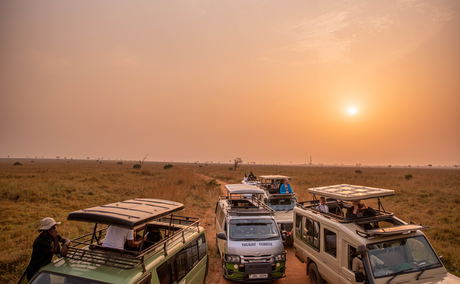
Is Uganda Safe to Visit? What Travelers Need to Know About Ebola and Safari Travel in 2026
Mon May 18, 2026
Read This Article
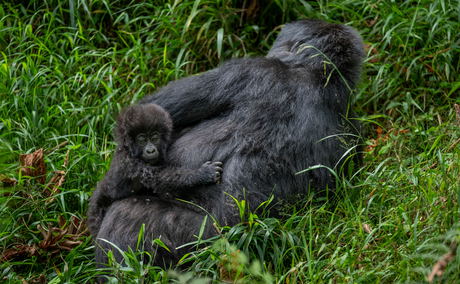
Uganda Safari 2026: The Complete Guide to Planning an Unforgettable African Adventure
Wed May 13, 2026
Read This Article
If you are reading this, you are already closer to the trip of your lifetime than you think. Uganda is not a compromise safari destination. It is the destination, and 2026 is the perfect year to go.

Don't Miss the Rwenzori Marathon 2026, The Race That Crosses the Equator in Uganda
Wed May 6, 2026
Read This Article
"Let's be honest about something. Most marathons are forgettable. You train for months, you show up to a city you have probably visited before, you run through streets lined with strangers holding signs, you collect your medal, you fly home. The medal goes in a drawer. The memory fades within a year. The Rwenzori Marathon is not that race."
Share This Post