

Kenya is where the word "safari" was written into the modern imagination. The dust, the light, the silence before a lion roars. This is the country that made the world want to come to Africa, and in 2026, it is still absolutely worth every mile of the journey.
Is Uganda Safe to Visit? What Travelers Need to Know About Ebola and Safari Travel in 2026
Posted on Mon May 18, 2026.
Uganda is one of the most experienced countries in the world at managing Ebola, and has successfully contained every outbreak it has ever faced. The two recent cases in Kampala were caught quickly, are being managed, and are not connected to any safari destination.
The parks, the gorillas, the chimpanzees, and everything you came for are completely unaffected. Uganda's health authorities responded within hours and the country has strong, practiced systems for exactly this kind of situation.
You are in good hands, and your safari experience is going ahead as planned.
If you have been following the news, you may have come across reports of Ebola cases confirmed in Kampala, Uganda, and you are wondering what this means for your safari plans. It is a fair question, and you deserve a clear, honest answer rather than vague reassurances.
At Pilama Safaris, we have been operating across Uganda, Kenya, Tanzania, and Rwanda for years. We know this land intimately. And we believe our guests deserve the full picture so they can make informed decisions.

Here is what is actually happening, and what it means for you.
What Is the Current Ebola Situation in Uganda?
On 15 and 16 May 2026, Uganda's Ministry of Health confirmed two cases of Ebola caused by the Bundibugyo virus strain in Kampala. Both individuals had recently travelled from Ituri Province in the Democratic Republic of the Congo, where an active outbreak is underway.
On 16 May 2026, the World Health Organization declared the situation a Public Health Emergency of International Concern (PHEIC), a designation that triggers coordinated international response efforts. It is a serious classification, and it is meant to be taken seriously.
However, what the declaration means and what many headlines suggest are two very different things.
Are Uganda's Safari Destinations Affected?
No. The confirmed cases are in Kampala and are directly linked to cross-border travel from eastern DRC. They are not connected to any national park or safari destination.

Bwindi Impenetrable Forest, Kibale National Park, Murchison Falls, Queen Elizabeth National Park, Kidepo Valley, and Lake Mburo are geographically remote from the affected zone. Daily life and wildlife experiences in these areas continue as normal.

How Dangerous Is the Bundibugyo Virus?
The Bundibugyo virus is one of several strains of Ebola. It was first identified in western Uganda in 2007. Its fatality rate, around 30 to 50 percent, is lower than the more commonly known Zaire strain. Crucially, like all Ebola strains, it does not spread through air, water, or casual contact. Transmission requires direct contact with the bodily fluids of a person who is already showing symptoms.
There is currently no licensed vaccine for the Bundibugyo strain, which is why global health authorities are responding rapidly and urgently. But for a tourist visiting Uganda's parks, with no contact with affected individuals, the exposure risk is extremely low.
Uganda Has Done This Before, Successfully
It is easy to forget that Uganda has faced Ebola nine times since 2000 and has successfully contained every single outbreak. That is not luck. It is the result of strong institutional memory, practiced response systems, and a national commitment to public health.

As recently as January to April 2025, Uganda dealt with a Sudan strain Ebola outbreak that began in Kampala. Within three months, it was declared over, with only 14 total cases recorded in a city of four million people.
Uganda's Ministry of Health activated its Incident Management Team within hours of these latest confirmations. Contact tracing, isolation, and entry screening at border points are already underway.
Should You Cancel Your Safari?
That is ultimately your decision to make, and we respect that completely.
What we can tell you is this: the safari regions of Uganda are not affected. The response from Ugandan health authorities has been immediate and professional. And Uganda's track record on Ebola containment is, frankly, one of the best in the world.

We are monitoring this situation daily, in direct communication with our ground teams across all our destinations. If anything changes in a way that affects traveler safety or itineraries, we will communicate proactively and immediately with every guest who has a booking.
What We Recommend Right Now
If you have an upcoming safari with us, stay in contact with your trip coordinator. We are here to answer every question you have. If you are considering a future booking, we encourage you not to let current headlines make the decision for you without getting the full picture first.
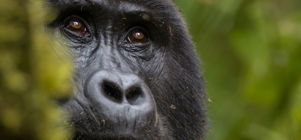
Uganda remains one of the most extraordinary places on earth to encounter wildlife. The gorillas of Bwindi, the chimpanzees of Kibale, the elephants at Murchison Falls, and the tree-climbing lions of Ishasha are not going anywhere. And neither are we.
If you would like to speak with someone on our team about your booking or travel plans, reach out to us directly. We would rather have the conversation than have you worry in silence.

Your adventure matters to us. Not just the logistics of it, but the experience of standing in the heart of Africa and feeling something shift in you. That is what we are here to protect.
Plan your tailor-made Uganda safari with Pilama Safaris. Est. in the heart of Africa. Tailor-made since day one.
Further Reading
Kenya Safari 2026: The Ultimate Guide to the Maasai Mara and Beyond | Pilama Safaris
Thu May 14, 2026
Read This Article
Uganda Safari 2026: The Complete Guide to Planning an Unforgettable African Adventure
Wed May 13, 2026
Read This Article
If you are reading this, you are already closer to the trip of your lifetime than you think. Uganda is not a compromise safari destination. It is the destination, and 2026 is the perfect year to go.

Don't Miss the Rwenzori Marathon 2026, The Race That Crosses the Equator in Uganda
Wed May 6, 2026
Read This Article
"Let's be honest about something. Most marathons are forgettable. You train for months, you show up to a city you have probably visited before, you run through streets lined with strangers holding signs, you collect your medal, you fly home. The medal goes in a drawer. The memory fades within a year. The Rwenzori Marathon is not that race."


Share This Post